Foods that Fight Inflammation: My Favorite Anti-Inflammatory Recipes
May 28, 2025
Eating a diet rich in plants is one of the most powerful ways you can reduce inflammation. Incorporating anti-inflammatory foods…

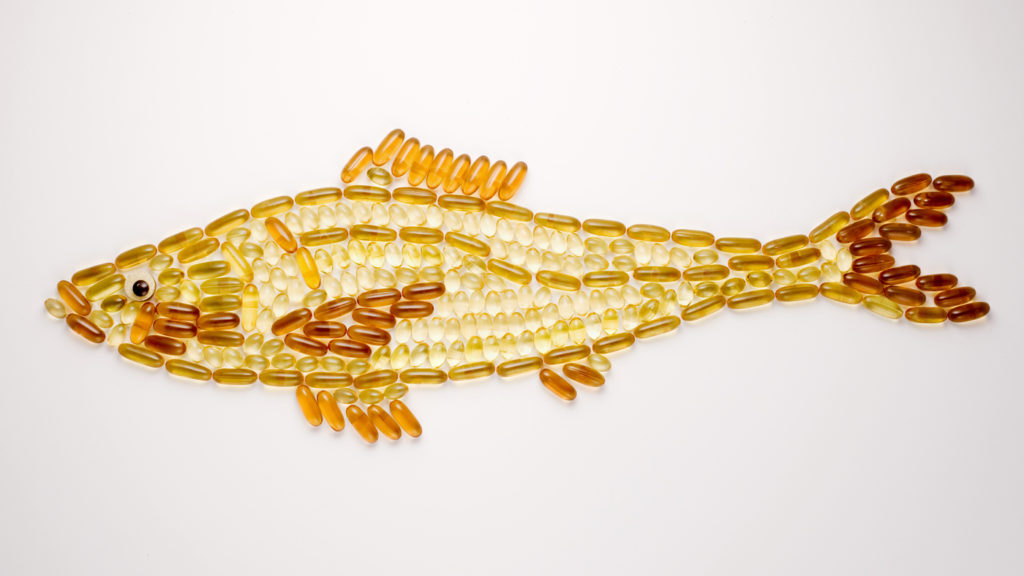
The Standard American Diet has a 14:1 ratio of omega-6s to omega-3s. Ideally, we want 4:1. This imbalance can lead to chronic inflammation, which is linked to heart disease, cancer, and even mental health issues. Omega-3s, found in fatty fish, nuts, and seeds, are anti-inflammatory, while omega-6s, common in processed foods and veggie oils, tend to promote inflammation. Getting more omegas, especially omega-3s, can help balance this ratio, supporting heart health, brain function, and overall longevity.
With so many fish oil formulations out there, it can be confusing as to which one may be right for you. I will often test my patients’ omega-3 levels, which can help determine dose and formulation. Here is info about the test.
Fish oil contains two omega-3 fatty acids, EPA and DHA. Many fish oil varieties concentrate EPA over DHA or vice versa. Let me break it down:
Memory/Cognition:
In a recent randomized, double-blind, placebo controlled trial published in the Journal of Alzheimer’s Dis, DHA was found to improve cognitive function in older adults with mild cognitive impairment. Compared with placebo, DHA significantly improved scores in the Full-Scale Intelligence Quotient, Digit Span and other measures of cognitive function and significantly decreased the loss of hippocampal volume.
ADHD:
While a combination product containing both EPA and DHA is preferred, I find the most success with promoting focus, memory and learning, and calming the nervous system in hyperactive children with a higher DHA fish oil. Children primarily require DHA for growth and development.
Pregnancy, Breastfeeding and the Postpartum Period:
The brain, central nervous system, and retina rely heavily on the adequate supply of DHA during growth in the womb. Thus women should emphasize DHA in their diets (salmon!) and in their fish oil supplement when they become pregnant and continue to take while breastfeeding.
There is some speculation that postpartum depression (PPD) is essential fatty acid deficiency. To prevent PPD, I recommend women supplement with a higher DHA fish oil during pregnancy and in the postpartum period.
Arthritis:
Low intake of EPA is associated with higher level of inflammation.
Heart Disease:
Both EPA and DHA have been associated with associated with a reduced risk of recurrent coronary artery events and sudden cardiac death after an acute heart attack. I recommend a combination fish oil to support heart health but with a higher amount of EPA overall.
A study using EPA supplementation in combination with a statin, compared with statin therapy alone, found that, after 5 y, the patients in the EPA group who had a history of coronary artery disease had a 19% relative reduction in major coronary events.
Depression:
Fish oil has demonstrated antidepressant, anti-psychotic, and mood stabilizing effects in controlled clinical trials.
Asthma, Eczema, and Allergies:
A higher EPA fish oil can be beneficial for these atopic conditions. In one study people taking fish oil equal to 1.8 g of EPA (one of the omega-3 fatty acids found in fish oil) experienced significant reduction in symptoms of eczema after 12 weeks.
MS, Parkinson’s:
I often recommend high dose fish oil (6-12 grams, with a higher EPA content) for those with chronic, degenerative neurological conditions, such as MS and Parkinson’s. A large, two-year study followed 312 people with MS. The group taking daily 10 grams of fish oil had less disability progression and fewer relapses than those taking placebo.
This is where a liquid fish oil comes in as you can take a higher, more therapeutic dose efficiently in a liquid form. I like Super EFA liquid by Genestra.
Choose a company that offers a third-party analysis that verifies adherence to strict standards. I like Nordic Naturals, Thorne, Genestra, and Carlson’s. Here are a list of purity standards that these companies achieve:
(Click on the image to access our Fullscript shop. Use these links to get 15% off)
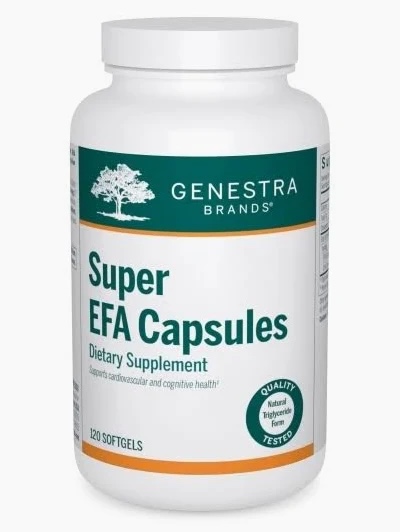
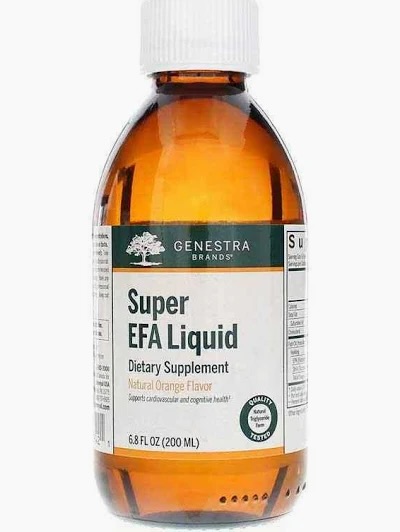
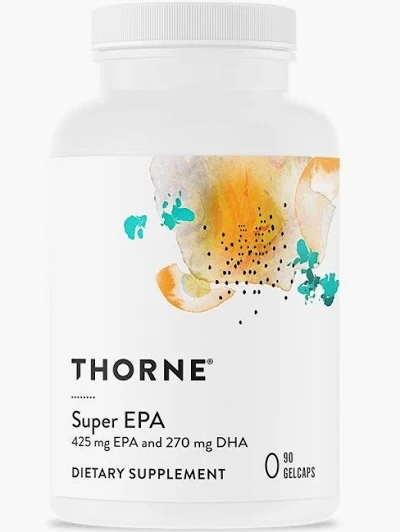
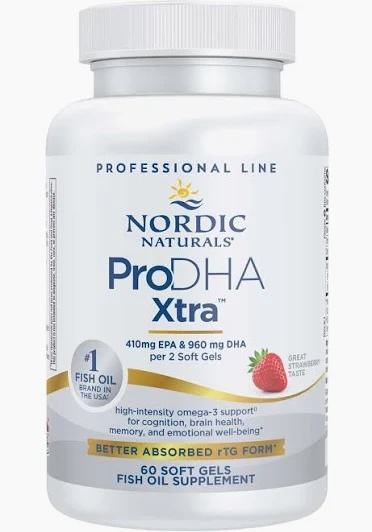
Talk to your doctor about the right fish oil dose and formulation for you.
In addition to supplementing with fish oil, try to eat fatty fish (salmon, sardines, mackerel) at least twice weekly!
Here are some of my favorite salmon and sardine recipes:
Salmon Cakes with Yogurt Dill Sauce
Miso Salmon with Baked Purple Sweet Potatoes
How to Eat Sardines that Taste Amazing