Natural Approach for Maintaining Brain Health and Preventing Dementia and Alzheimer’s
June 21, 2021
This article is based on the work of Dr. Dale Bredesen, MD - expert in cognitive disorders and Alzheimer’s disease.…

I typically don’t recommend drastically cutting salt intake. We need it- for the transportation of nutrients in and out of cells and the maintenance of proper nerve transmission. It’s all about balancing sodium with potassium.
Our diet is very different from our ancestors, especially in terms of the sodium-to-potassium ratio. We eat way more sodium in relation to potassium. Cutting down on sodium in the form of processed foods can absolutely help lower blood pressure, but going one step further and focusing on including more potassium-rich foods in your diet is even more effective.
Where do we get potassium?
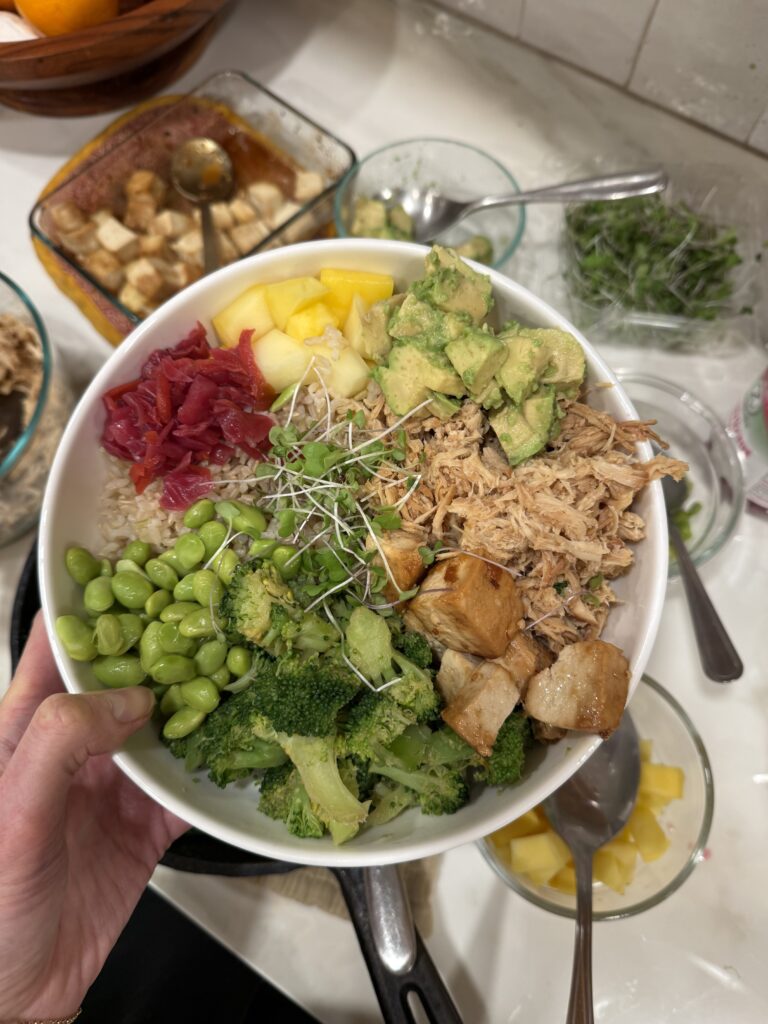
🌱 PLANTS! 🌱 It’s estimated 98% of Americans are not getting enough potassium. Here are the top potassium-rich foods:
🫘 White beans (Great northern, navy, or cannellini)
🍌 Bananas
💚 Celery
🥑 Avocados
🥥 Coconut water
🥔 Potatoes and sweet potatoes
🥬 Green leafy vegetables (spinach, Swiss chard, kale)
🍉 Watermelon
Signs you aren’t getting enough potassium:
How much potassium do you need? Aim to consume 3,500–4,700 mg daily.
Shift your focus to the vibrant foods nature provides and watch processed foods take a backseat. It’s all about abundance vs scarcity: focusing on foods you can have (plants!) versus focusing on foods to avoid.
And when it comes to salt, I like seasoning my food with pink Himalayan sea salt.