What is leaky gut?
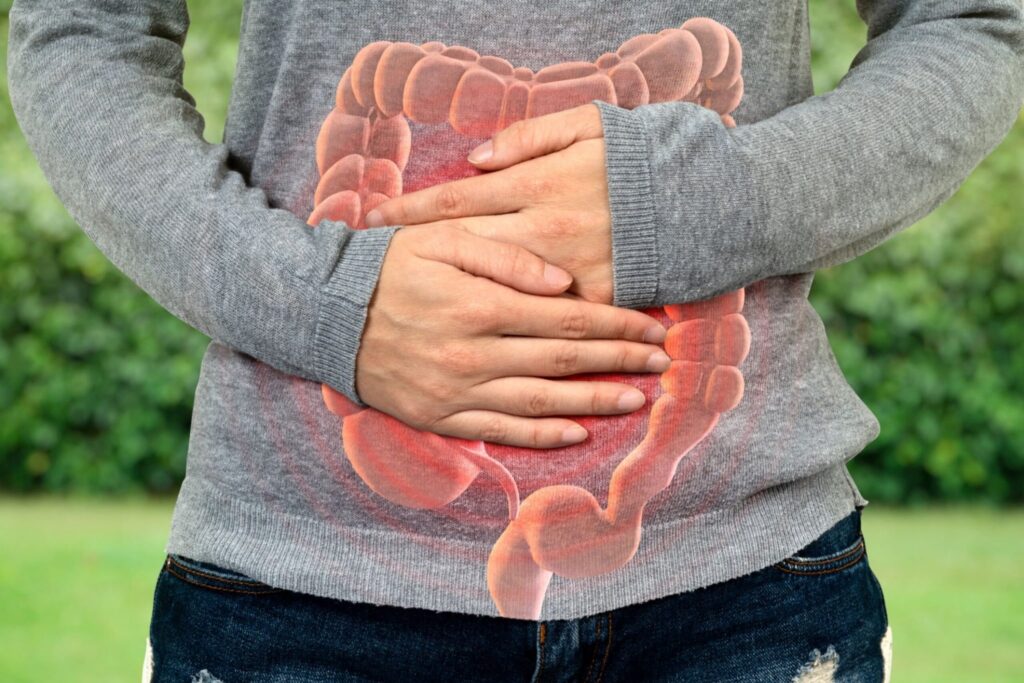
Leaky gut, also called intestinal permeability, is when the tight junctions that hold the cells of the gastrointestinal tract together, lose integrity. In other words, the spaces between the GI cells widen and open. The digestive tract is an open tube and is open to the environment. Much like the skin which protects all the underlying tissues and organs, the cells of the GI tract are supposed to create a protective barrier from the outside world. When the GI tract becomes “leaky”, unwanted substances pass in between the cells and enter the body. These “unwanted substances” include undigested food particles, allergens, bacteria and other microbes.
Why is leaky gut a problem?
When items that are supposed to be eliminated from the body, via the digestive tract, find a path into the body’s blood and lymph systems, the body may recognize them as “intruders”. In response to these “intruders” (i.e. food allergens, microbes, allergens), immune and inflammatory reactions are initiated. This immune and inflammatory response by the body can result in a variety of symptoms and health complaints. In those are who have genetic predispositions, diseases can manifest. Some of the consequences of a leaky gut include multiple food reactions, environmental allergies, autoimmune conditions such as RA and Hashimoto’s thyroiditis, fatigue, skin conditions (eczema, acne, psoriasis) chronic sinusitis, and brain fog (especially after eating).
How to heal a leaky gut – addressing the cause is key!
There are several lifestyle, nutritional and supplement interventions that can aid in sealing up a leaky intestine. While these are very useful, the first and primary goal is to identify and eliminate the underlying cause. Below are potential causes of leaky gut.
- Gluten and other food sensitivities. If you have non-celiac gluten sensitivity and/or celiac, and continue to eat gluten, this can irritate yout gut lining causing intestinal permeablity. Other food allergens or sensitivities are also possible. Other potential offenders include dairy, egg, soy and corn. Food sensitivities are unique to an individual and can be identified with a blood test.
- Chronic use of certain medications: Regular use of NSAIDS (Ibuprofen, Aspirin), proton pump inhibitors and chemotherapy can cause damage to the GI cells.
- Chronic stress: Stress hormones (mainly cortisol) have the ability to wear down the protective lining in the GI tract making the cells vulnerable to damage
- GI infections and microbial imbalance: When there are microbial infections in the GI tract, chemicals are released that widen the spaces between cells. The purpose of this is to flush out the bugs. In acute infections (such as food poisoning), this reaction is beneficial and temporary. But if an infection persists or is not adequately treated, the chemicals continue to be produced, the space between cells stays open and a leaky gut develops. Potential microbes that may persist in the GI tract and cause leaky gut include C. diff (occurs after antibiotic use), candida, bacteria and parasites. Potential pathogens can be identified by a stool analysis or via a breath test if overgrowth of bacteria is suspected in the small intestine (SIBO)
- Poor digestion: Undigested food particles can lead to inflammation in the GI tract. This inflammation makes the cells susceptible to damage. Poor digestion can result from sub-optimal liver or gallbladder function, high levels of stress or digestive enzyme deficiencies.
- Abdominal surgery
5 things to help seal a leaky gut
While identifying the causative factors and addressing them is No.1 in healing a leaky gut, here are other useful suggestions to speed healing.
- Anti-inflammatory diet – avoid sugar, alcohol, gluten, dairy, chocolate and the typical “comfort foods”. Focus on whole foods, lean meats, fish, vegetables, fruits. Avoiding your individual food sensitivities.
- Bone broth – contains collagen, vitamins and nutrients that help heal the cells of the GI tract.
- Herbs and nutrients to reduce inflammation and heal the tissues. My favorites:
- L-glutamine – an amino acid that helps repair the intestinal lining
- Curcumin – an herb with potent anti-inflammatory benefits.
- Colostrum, Slippery elm bark, zinc carnosine
- Probiotics – support proper microbial balance in the GI tract and balance the immune system.
- Digestive enzymes – these help break up and digest your food, thus reducing irritation by larger undigested food particles.