Autoimmune Disease: The Gut Connection
March 13, 2020
Autoimmune diseases are a group of conditions in which the immune system goes awry and starts to attack the body’s…

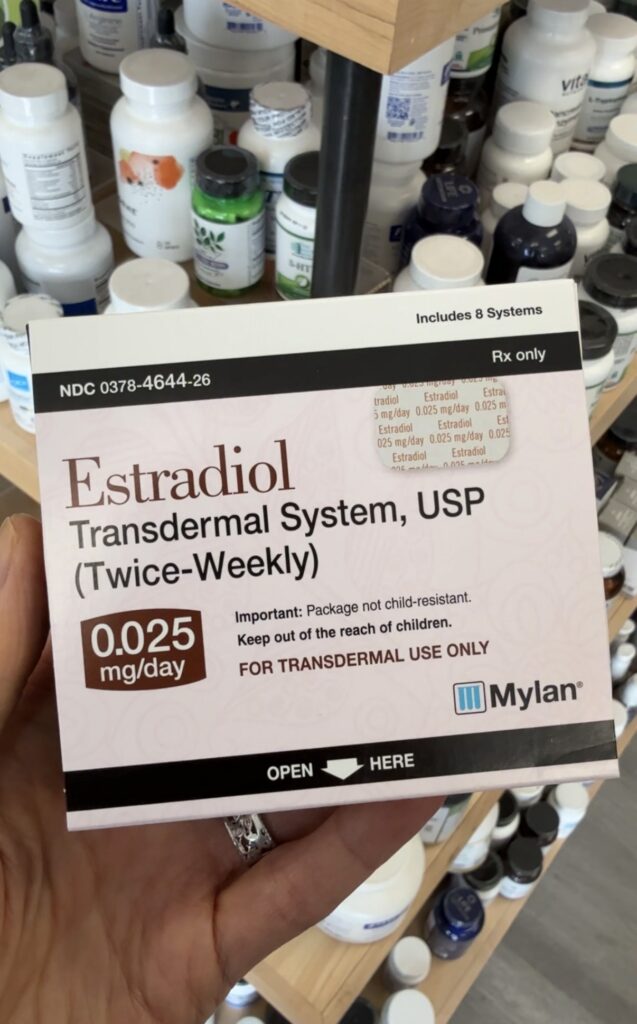
“How can I safely take hormones?” I hear this every single day. And I get it, because for years we were told to be scared of them.
There are newer preparations out there that are safer and are going to help you feel better. Think less hot flashes, better sleep, less brain fog, and less joint pain.
So hormones help you feel better in the short-term, but we also need to start thinking of them as protecting your physiology long-term. It’s not just about treating symptomatology. It’s about protecting your heart, your bones, and your brain.
HRT can be highly protective. It can reduce the risk of heart disease, osteoporosis, and Alzheimer’s. In fact, research shows if you introduce estrogen within 1 to 3 years of the menopausal transition, you reduce the risk of Alzheimer’s by 32%.
But the how matters. The delivery system changes the safety profile. Let’s break it down.
Transdermal means through the skin. So topically in the form of a patch or a cream. Here’s why you want a delivery method that bypasses the GI tract.
When you take estradiol by pill or tablet, it has to go through the liver first. The liver metabolizes estradiol into estrone, which is the less critical and less helpful form of estrogen. Estrone is also less potent. That means you must prescribe a much higher dose to mimic the estradiol your ovaries used to produce.
And as the liver metabolizes oral estradiol, it releases proteins that can provoke abnormal clotting, increasing the risk of stroke. Oral estrogen also increases CRP, a marker of inflammation.
Back in 2013, the American College of Obstetricians and Gynecologists came out with a consensus statement recommending the use of non-oral delivery systems for estrogen. This was especially for women at higher risk for developing blood clots, such as women with high blood pressure and smokers.
The safety difference:
| Delivery method | Key considerations |
|---|---|
| Transdermal (patch or cream) | Bypasses the liver. Lower risk of cardiovascular events like blood clots and stroke. Does not increase inflammation markers the same way. |
| Oral (pill or tablet) | Must go through the liver first. 2 fold increase of developing blood clots compared to transdermal. Increases CRP and inflammation. Requires higher doses. |
Progesterone relaxes us- it helps with anxiety, mood, and sleep. Progesterone can safely be given either through the skin or orally. I find oral micronized progesterone works better (compared to transdermal progesterone) for sleep because it crosses the blood brain barrier.
The key is to use oral micronized progesterone, not synthetic progestin. Synthetic progestin is linked to an elevated risk of breast cancer.
While hormones can be incredibly helpful, they’re not the only option. Not everyone is interested in doing menopause hormone therapy (or hormone replacement therapy), and that’s ok. There are herbs, supplements, and lifestyle strategies that can be highly effective too.
If you’re considering menopause hormone therapy, talk with a clinician who is trained in menopause care. They can review your personal health history, risk factors, and help you decide if hormones are right for you and which form makes the most sense.
You deserve to feel good and to protect your long term health. And you have safer options now than women did 20 years ago!