I often get asked “What supplements do you take?”.
So here it is…with an important caveat:
These are the supplements that support MY body based on MY labs and MY lifestyle right now.
Supplementation is not one-size-fits-all. Test, don’t guess! Work with a qualified provider, whether that’s an ND, MD, or functional medicine practitioner, to build a plan specific to you.
What works for me may not work for you, and that’s the whole point of personalized medicine!
Daily Foundational Supplements:
- Methylated B Complex (mood and energy support): 1 capsule in the AM with food.
- Methylated vitamins are nutrients that are already in their active, ready-to-use form. Methylation is the addition of a methyl group (1 carbon atom and 3 hydrogen atoms) that makes the nutrient more “active.” About 40% of people have MTHFR gene variations that make methylated forms easier to use.
- For example, methylfolate (5-MTHF) is the active form of folate, and methylcobalamin is a more usable form of B12 compared to standard versions like folic acid or cyanocobalamin.
- Methylated B vitamins are important for detoxification, hormone balance, neurotransmitter production (mood!), and DNA health.
- High DHA Fish Oil (brain support): 2 capsules/day.
- I’m working on boosting my DHA levels to protect my brain as I age. A recent study found that having higher blood omega-3 levels (specifically DHA) is strongly linked to a 35–40% lower risk of developing early onset dementia.
- Vitamin D3 (immune support, bone health, mood): 2,000 IUs in the spring/summer, 5,000 IUs in the fall/winter.
- Test, don’t guess! Vitamin D is a “Goldilocks” nutrient- you don’t want too much as it can have a toxic effect and you don’t want too little. Knowing your vitamin D level will help you get it just right.
- If supplementing with calcium, I recommend combining it with D3 + K2 to drive calcium into the bones. I will also recommend adding vitamin K2 to D3 when patients struggle to reach optimal vitamin D levels. For me, regular D3 works well.
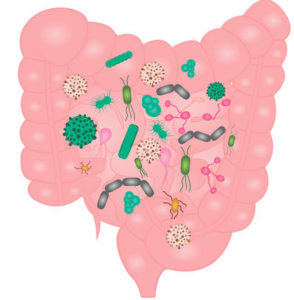
- Probiotic (immune and gut health): We stock a lot of probiotic options in our office. That way we can match the right strain to each individual’s specific situation. Bifido Digest is probably the one I most commonly recommend to patients. Here’s what I am taking at the moment (I rotate probiotics to encourage a diverse microbiome):
- Saccharomyces– a beneficial yeast that helps to prevent SIBO symptom recurrence like bloating and abdominal pain.
- Akkermansia- my stool test revealed I’m low in this particular beneficial bacteria.
- Curcumin (anti-inflammatory and brain support): 2 capsules/day (1000 mg/day).
- A growing body of evidence indicates that oxidative stress and inflammation contribute to the pathophysiology of Alzheimer’s disease. Curcumin can combat this oxidative stress and reduce inflammation in the brain, enhancing mood and memory. As a phytosome complex, this particular curcumin provides optimal absorption over other curcumin extracts.
As needed for stress:
- Ashwagandha (stress support, calms anxiety): 1 capsule in the AM, 1 capsule in the evening
- Seriphos (reduces cortisol, sleep support): 2 capsules in the evening
- L-theanine (calms anxiety, helps with focus): 2 capsules in the AM, 2 capsules in the evening
Seasonal:
- Zinc picolinate (immune support; hair, skin, nail support): 1 capsule during cold and flu season. Take with food.
- Elderberry syrup (immune support, anti-viral): 1 tsp throughout cold and flu season.
- EHB (immune support): 2 capsules every 2 hours x days as needed for acute infections
- EHB is one of the most powerful anti-microbial, immune-supportive supplements. I love it for coughs, colds, fevers, flu. For an in-depth explanation of it’s nutrients, see this post.
The Truth About Quality: How to Choose a Good Supplement
When it comes to health food stores and supplement aisles, it’s easy to quickly become overwhelmed with a myriad of options. Where do you start? Once you’ve found the vitamin you were looking for, which form is best? Here’s how to choose:
1. Look for GMP + Third Party Testing
This is how you know what’s on the label is actually in the bottle.
- GMP (Good Manufacturing Practices): These are FDA rules for how supplements should be made, tested, and labeled. The FDA can inspect companies to check compliance, but third party programs are what actually “certify” a company meets these standards.
- Third party testing: An outside lab verifies ingredients, dose, and purity. Look for seals from USP, NSF, ConsumerLab, or labels that say “verified,” “certified,” or “GMP compliant.”
Brands that do this well: Designs for Health, Thorne, Pure Encapsulations, Metagenics, Nordic Naturals, Ortho Molecular, Integrative Therapeutics, Gaia Herbs, Vital Nutrients
2. Pick Forms of Nutrients Your Body Can Actually Use
Not all forms absorb equally.
Better absorbed minerals:
- Zinc: picolinate
- Magnesium: glycinate or citrate or threonate
- Calcium: citrate
- Iron: bis-glycinate or ferrous succinate or ferrous aspartate
Other tips:
- Vitamins A, D, E, K are fat soluble. They absorb best in oil or lipid-based formulas.
- B12 + folate: Choose methylated forms like methylcobalamin and methylfolate.
3. Delivery Form Matters
Look for capsules, gel caps, powders, or liquids. Skip hard tablets, which are tough to break down, and gummies, which often have extra sugar and lower doses.
Remember: there’s no universal “best” supplement. The right supplement depends on your labs, your body, and your goals. Some herbs and nutrients can interact with medications or affect liver enzymes, which is why we monitor labs while you’re on supplements. Partner with your ND, MD, or functional medicine provider to test, assess, and build a plan that’s both effective and safe for you.
As always, consult with your healthcare provider before starting any new supplements. If you are pregnant, nursing, allergic, have a medical condition, or are taking medications, consult a doctor before using these supplements to ensure there aren’t any interactions.