Immune Support Tips from Your Functional Medicine Doctor
August 26, 2022
Cold weather doesn’t have to mean getting sick. On a daily basis, we are exposed to microbes that may cause…
When my labs came back with low ferritin, I did what I tell my patients to do: I built my meals around bio-available iron. I LOVE plants and eat a plant-predominant diet- lots of leafy greens, whole grains, legumes, fish, and poultry. I’ve never been too keen on red meat, but my body was crying out for some heme iron (found in animal protein). Plants have iron and you better believe I will continue to eat lots of them…but I’m now focused on optimal food pairings and a bit more red meat. Because it’s not just how much iron a food has, but it’s also how much your body actually absorbs.
Pre- and peri-menopausal women need 18 mg daily.
Source: Only from animal foods
Found in: Red meat, poultry, fish, liver, sardines
Absorption: 15-35% is absorbed on average.
Why it’s better absorbed: It’s already in the form of hemoglobin or myoglobin, so your gut can take it up intact through a special heme transporter. Coffee, tea, dairy, and phytates don’t block it as much.
Source: Plants, eggs, iron-fortified foods
Found in: Lentils, tofu, spinach, pumpkin seeds, teff, eggs
Absorption: 2-20% absorbed.
Why it’s harder to absorb: It has to be converted from ferric Fe3+ to ferrous Fe2+ before your gut can absorve it. That process gets interrupted by several things BUT vitamin C can help!
1. Heme + non-heme combo: Animal tissue boosts plant iron absorption. Think chicken + tofu stir-fry with. Or beef and lentil tacos.
2. Add vitamin C: significantly increases non-heme iron absorption. Lemon on spinach or salad greens always! Plus it enhances flavor!
3. Soak your grains and legumes in water and 1 TBSP ACV when possible to reduce phytic acid/phytate and oxalate content. Phytates and oxalates block iron absorption but soaking helps! Definitely worth the extra step. Plus, it makes them easier to digest.
4. Try not to eat a lot of calcium-containing foods (or your calcium supplement) within ~2 hours of your iron-rich foods or iron supplement. Calcium and iron complete for absorption.
5. Coffee and tea contain polyphenols/tannins which can reduce absorption of iron. Try to space coffee/tea out at least 2 hours or eating iron-rich foods (or your iron supplement).
Iron: ∼5 mg heme iron per 5 oz serving
Heme iron from animal sources is absorbed 2-3x better than plant iron. It’s the easiest for your body to utilize.
How I eat it: Taco Tuesday upgraded! I’ve started mixing ground beef with lentils for tacos. You get heme iron from the beef and non-heme from lentils in one bite, and research shows combining them boosts overall bioavailability. That’s 30% of your daily iron in one pan!
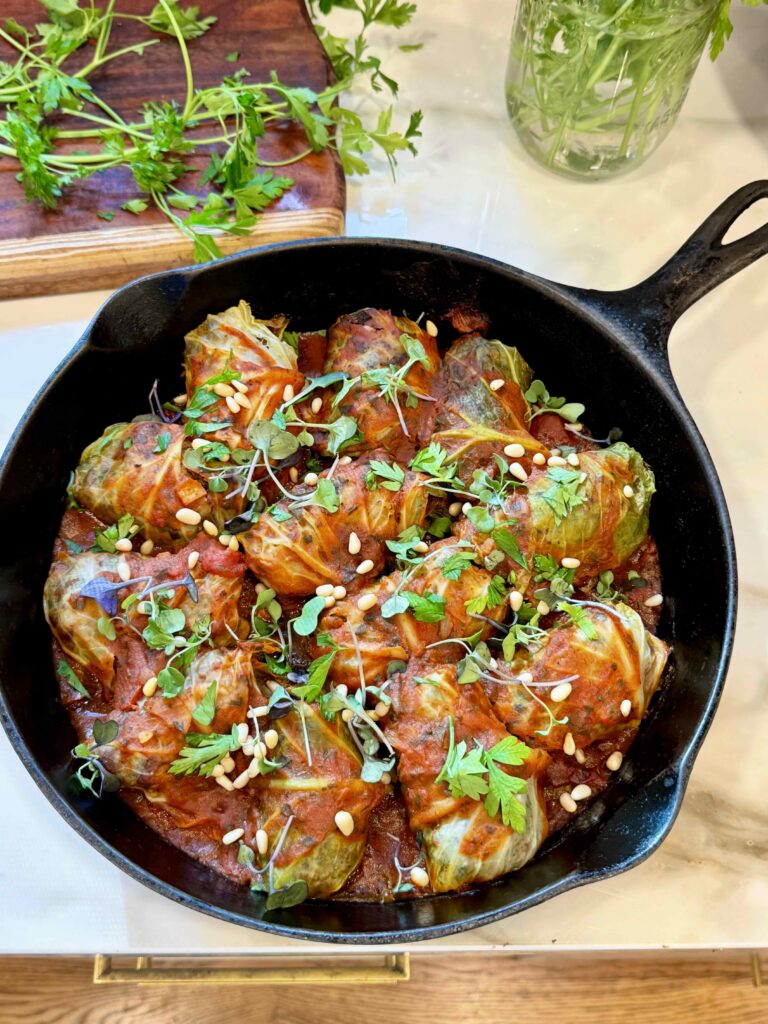
Recipe: Stuffed Cabbage Rolls
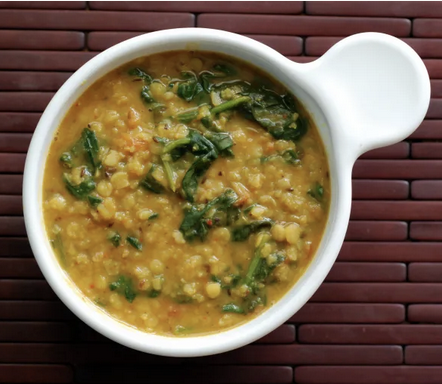
Iron: 6.6 mg per cooked cup
Absorption hack: Phytates in legumes block iron. I soak mine for at least 4 hours in water with a splash of ACV. It reduces phytates so you actually absorb the iron you’re eating.
Recipe: Yellow Lentil Dahl with Ginger & Turmeric
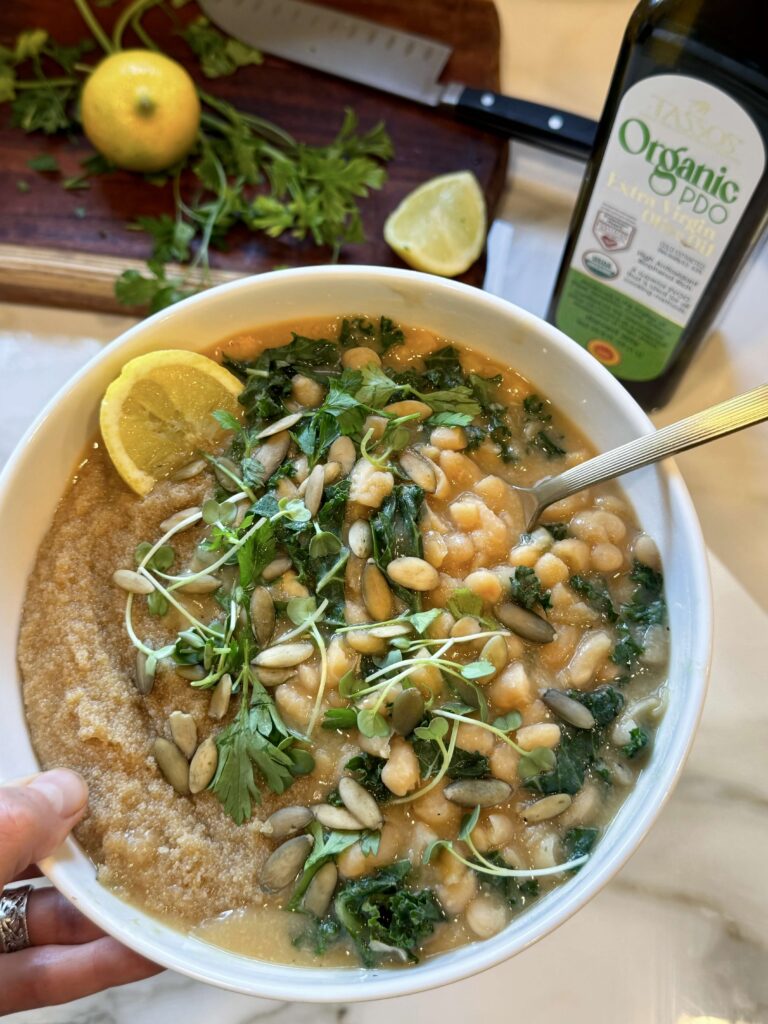
Amaranth is one of the highest-iron grains you can eat, about 5 mg per cooked cup. I like to pair it with white beans, which have approximately 4 mg per cup cooked, so you’re getting a total of 10 mg iron in your bowl before you add anything else. For context, most women need 18mg/day and men need 8mg/day.
Amaranth is gluten-free and has a distinct nutty/earthy taste. I love the texture of it (sort of like cornmeal).
Recipe: Slow Cooker Brothy White Beans & Kale with Amaranth
I also love popped amaranth as a snack or crunchy topping to avocado toast or salads.
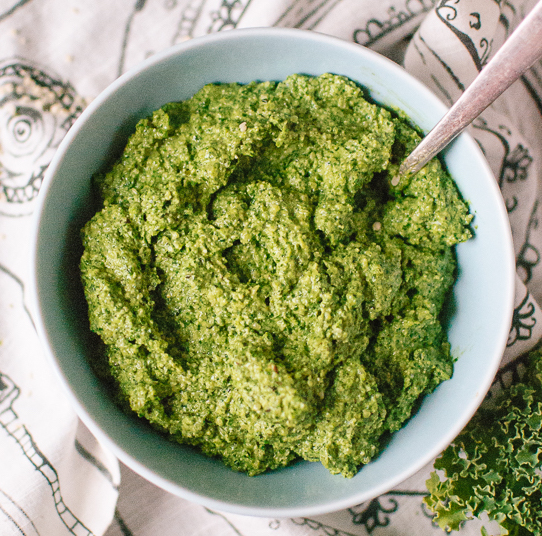
Iron: 3 mg per 1/4 cup. Ounce for ounce, they beat most meat.
They’re relatively low in oxalates and phytates compared to other nuts and seeds. In addition to iron, they are also an excellent source of zinc.
Recipe: Pumpkin and Hemp Seed Pesto
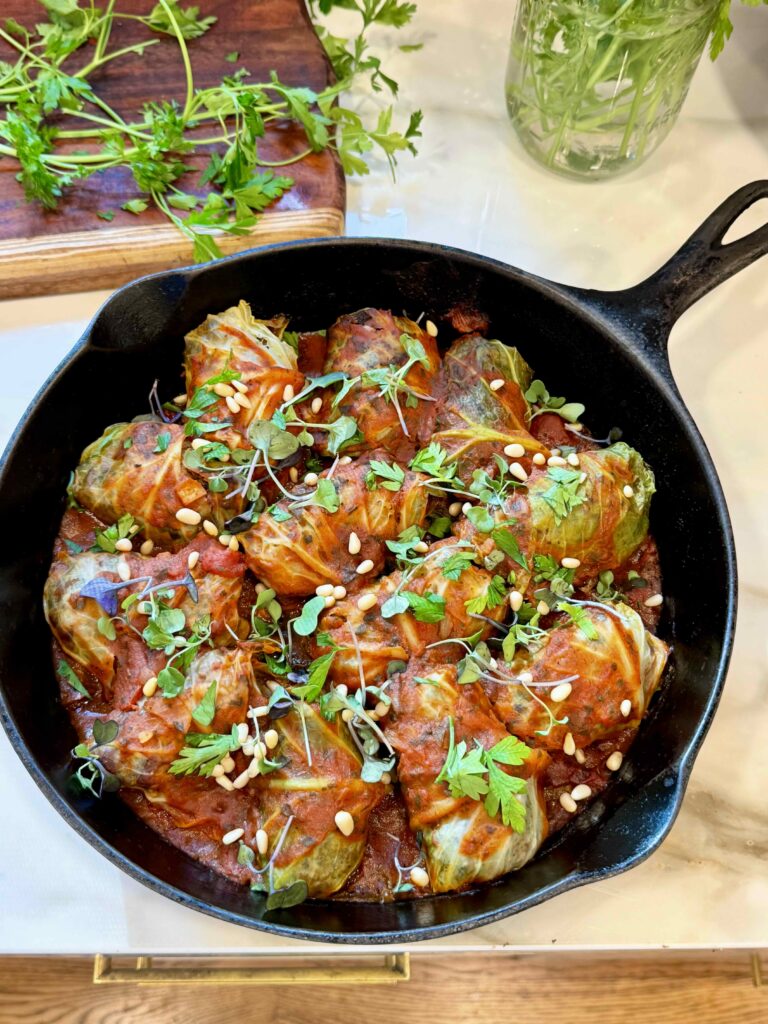
Iron: 0.5 mg per cup. This isn’t much BUT it is has superior absorption compared to spinach, kale, or broccoli. Why? Unlike spinach and other greens, it’s low in oxalates. Oxalates bind iron and block absorption of iron. It also contains vitamin C for good absorption.
Studies found savoy cabbage gave the highest ferritin response of any green tested.
Recipe: Stuffed Cabbage Leaves
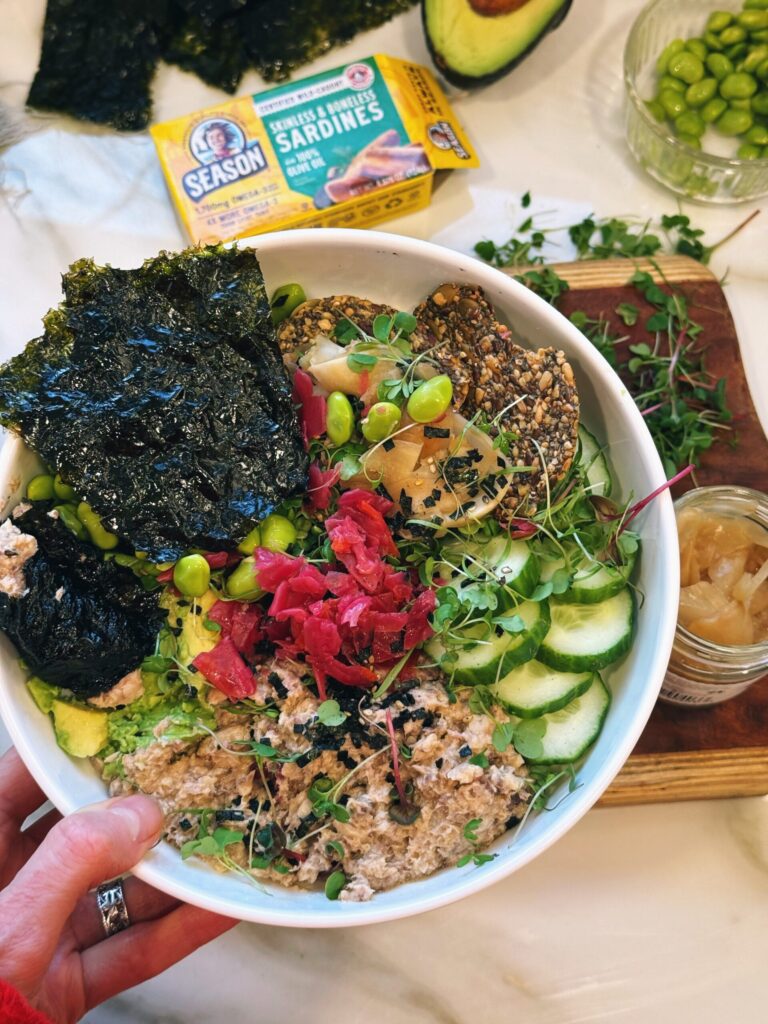
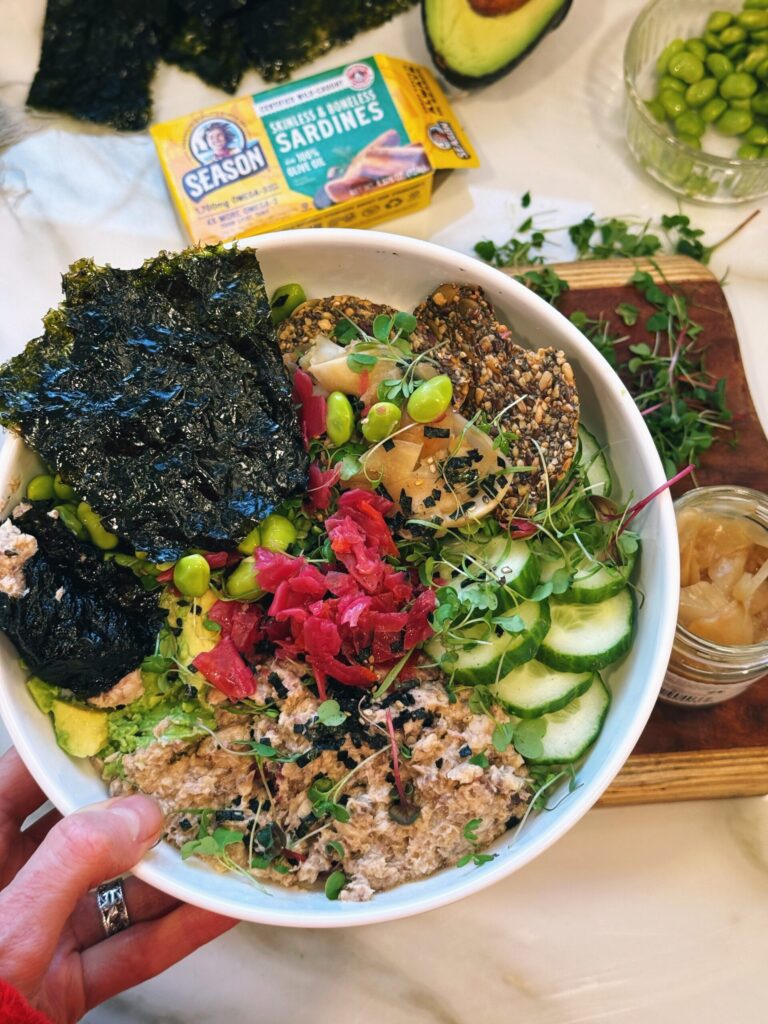
Iron: 4 mg per can, which is comparable to red meat by weight.
Bonus: You also get calcium, vitamin D, and omega-3s.
Recipe: Sardine Sushi Bowl
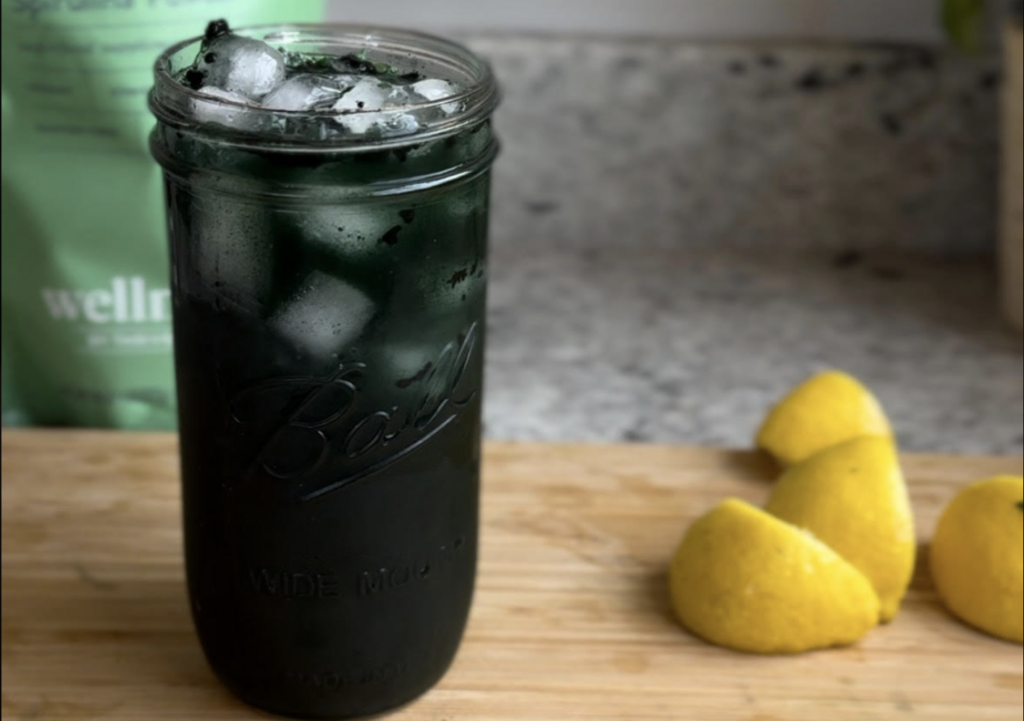
Iron: 3.5 mg per TBSP
Well-absorbed: No phytates, no oxalates, and it contains vitamin C built in.
Studies show 1 g/day for 8 weeks improved anemia markers in adults.
Recipe: Spirulina Lemonade
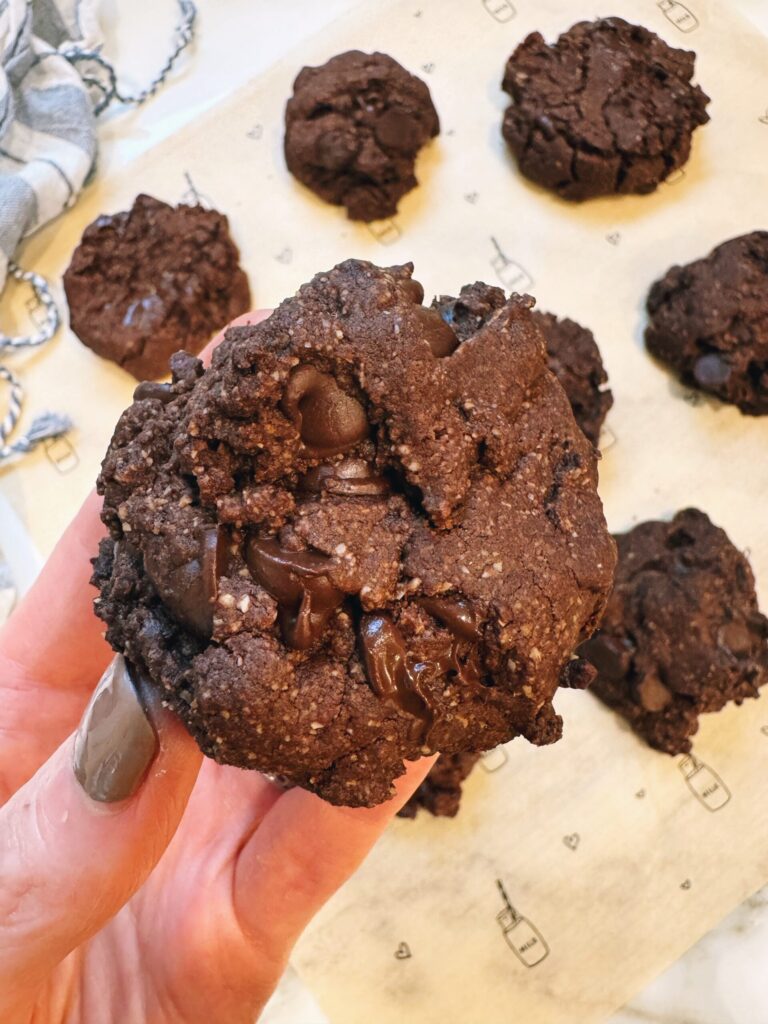
Iron: 5 mg per cooked cup, same as a 7 oz steak
Teff is an iron-rich ancient grain from Ethiopia that’s a dietary staple for many of the world’s elite distance runners.
It’s gluten-free and when compared to wheat, teff has a lower phytate content, meaning the iron it contains is absorbed much more efficiently by the body.
I like to bake with teff flour.
Recipe: Double Chocolate Mint Cookies, Pumpkin Muffins
Iron: 1.5 mg per tablespoon
One tablespoon has more iron than an egg. Stir it into oatmeal, tea, or use it in baking. You also get calcium and magnesium as a bonus. It’s like mineral syrup.
Recipe: Pumpkin Gingerbread Muffins
Herbs: Nettle, dandelion, alfalfa, yellow dock
These herbs traditionally support red blood cell production.
How to brew: Don’t just steep for 5 minutes. Make a super infusion: 1 oz dried herb per quart of water, steep 4 hours or overnight. This pulls out the minerals. Nettle tea is basically a multivitamin in a mug.
| Food | Serving Size | Iron (mg) |
|---|---|---|
| Chicken liver | 3 oz cooked | ∼12.8 mg |
| Beef liver | 2.5 oz | ∼5 mg |
| Chicken | 2.5 oz | ∼2 mg |
| Shrimp | 2.5 oz | ∼2 mg |
| Salmon | 3 oz | ∼1 mg |
| Egg | 1 | ∼1 mg |
| Ground turkey | 75 g / 2.5 oz | ∼1.5 mg |
| Food | Serving Size | Iron (mg) |
|---|---|---|
| Tofu, firm | 1/2 cup | ~3 mg to 5 mg |
| Sesame seeds (tahini) | 1 TBSP | 1 mg |
| Spinach*, cooked | 1/2 cup | 3.5 mg to 6.4 mg |
*Spinach and many other leafy greens contains oxalates which bind iron and reduce absorption. That’s why savoy cabbage beat it for bioavailability in studies. Always pair spinach with vitamin C like lemon, bell pepper, or tomato to boost uptake.