Vitamin D and Breast Cancer
December 27, 2016
This study highlights the importance of vitamin D and cancer, specifically breast cancer. Monitoring vitamin D levels and appropriate supplementation…
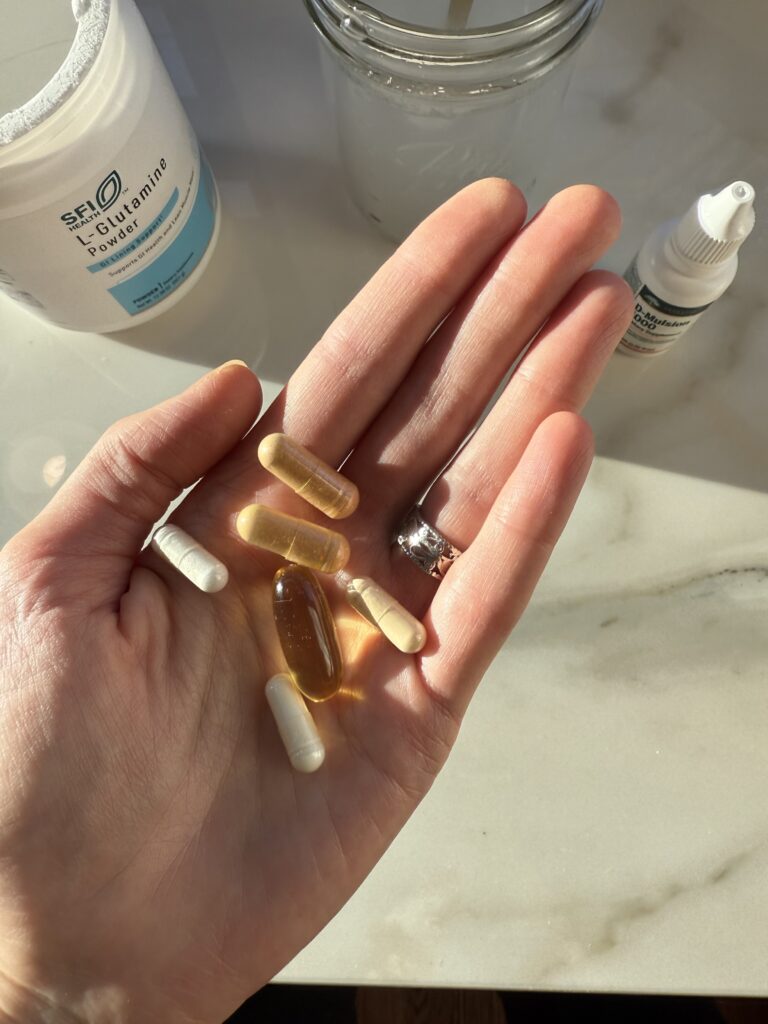
Perimenopause brings a lot of shifts — sleep, mood, cycles, bowel movements, weight gain in the midsection, and blood sugar. While food, sleep, movement, and stress management are the real foundations, targeted supplements can help fill in the gaps and support you through the transition.
Supplementation is not one-size-fits-all. Test, don’t guess! Work with a qualified provider, whether that’s an ND, MD, or functional medicine practitioner, to build a plan specific to you.
As always, consult with your healthcare provider before starting any new supplements. If you are pregnant, nursing, have allergies, a medical condition, or take medications, check with your doctor to ensure there are no interactions.
1. Fish Oil (Omega-3 EPA/DHA)
Supports inflammation balance, brain health, and heart health.
2. Magnesium — Form Matters
Supports sleep, stress resilience, muscle tension, and bowel regularity.
3. Vitamin D3 — Immune, Bone, and Mood Support
Vitamin D is a “Goldilocks” nutrient — you don’t want too much (it can have toxic effects) and you don’t want too little (too little can lead to fatigue, low mood, headaches, and poor immunity).
Test, don’t guess! Knowing your level helps you dose it just right.
If supplementing with calcium, combine it with D3 + K2 to help drive calcium into the bones. I also often add K2 to D3 when patients struggle to reach optimal vitamin D levels. Here is my favorite D3K2 supplement.
4. Probiotic — Immune and Gut Health
We stock a lot of probiotic options in our office so we can match the right strain to each person’s specific situation. The one I most commonly recommend is Bifido Digest.
5. Curcumin — Anti-inflammatory and Brain Support
A growing body of evidence indicates that oxidative stress and inflammation contribute to the pathophysiology of Alzheimer’s disease. Curcumin can combat this oxidative stress and reduce inflammation in the brain, enhancing mood and memory. As a phytosome complex, this particular curcumin provides optimal absorption over other curcumin extracts.
Ashwagandha
Our most prescribed adaptogen for stress resilience and cortisol balance.
Typical use: 500 mg in the morning, 500 mg in the evening
Sunfiber (Partially Hydrolyzed Guar Gum)
A gentle, low-fermentation form of soluble fiber that’s easy on sensitive guts and great for regularity without excess bloating.
Typical use: 1 scoop added to water in the morning
Calcium
Estrogen decline in perimenopause accelerates bone loss, so meeting your calcium needs is critical. Women need between 1000-1200 mg daily from food + supplements combined.
If you aren’t consistently getting that from diet, a well-absorbed calcium supplement can help fill the gap. I always recommend taking it with D3 + K2 to help drive calcium into the bones where it belongs.
Iron deficiency can make heavy periods worse, so it’s a good idea to have your iron levels checked. When you have your iron checked, ask for the test called Ferritin. If your ferritin is less than 40, an iron supplement may be helpful. Here is my favorite iron supplement.
Rhodiola
Can help with mood, energy, focus. Can also help with hot flashes.
Magnesium, Ashwagandha, Seriphos and progesterone are often helpful in combination.
Early Perimenopause / High Estrogen Phase:
When estrogen is dominant and not clearing well, we focus on supplements that help your body metabolize and clear estrogen:
Late Perimenopause / Low Estrogen Phase:
When periods are very infrequent or stopping:
Natural doesn’t always mean risk-free.
These absolutely can be safe and effective. We use them daily — it comes down to the right person, dose, and monitoring. Work with a qualified practitioner to determine the best plan for you!
Supplements can interact with medications:
Over-the-counter:
→ Cheap, poorly absorbed forms
→ Fillers, dyes, binders
→ Unregulated — what’s on the label isn’t always what’s in the bottle
Professional-grade:
→ Active forms your body can actually use
→ Purity + potency verified
→ GMP certified + 3rd-party tested
Our favorite brands: Pure Encapsulations, Thorne, Integrative Therapeutics, Vitanica, Genestra, Orthomolecular, Vital Nutrients, Ayush
Schedule an appointment with one of our NDs to come up with a personalized plan for you. As naturopathic doctors, we use supplements and herbs every single day alongside diet and lifestyle counseling.
Supplements are valuable tools WHEN they are:
→ For the right person
→ At the right dose + form
→ Driven by data (labs, health history, meds taken into consideration)
This is what we’re experts in!
Check this blog post out for more info: How to Supplement Safely: A Naturopathic Doctor’s Guide to What to Take, When to Take It, and What to Avoid