How to Build Better Bone: An Osteoporosis Prevention Plan
Post date: March 12, 2026
Author: Sarah Axtell, ND
Strong bones are your longevity superpower. When a woman falls and breaks her hip, that infers a 30% risk of dying within the first year of that break. 1 in 2 women will suffer from an osteoporotic fracture. So if you are a woman, you are at risk.
Risk factors for osteoporosis:
-Genetics- small body size
-Being a woman
-Poor nutrition
-Lack of physical activity
-Late or delayed puberty
-Thin stature/low body weight (less than 127 lbs)
-Early menopause (before age 45)
-Vitamin D deficiency
-Smoking
-Alcohol intake- > 2 drinks/day
-Certain medications, such as antacids, sedatives, steroids (ie. prednisone)
If you’re in Milwaukee, you can get a DEXA scan for just $75 at UWM. Here is the link to schedule.
2. An anti-inflammatory diet rich inmineralsANDprotein:
Minerals: 99% of our body’s calcium is found in our bones and teeth. Because calcium is a major component of bone, you need adequate amounts throughout your life to achieve and maintain peak bone mass. But calcium pills alone will not preserve bone density. And more calcium is not always better. In fact, the death rate among people who have a normal calcium intake from food and simultaneously take high-dose calcium supplements is 2.5x higher than people who obtain calcium from whole food. Calcium cannot make the journey from the gut through the bloodstream and into bone without other crucial team players, such as vitamin D3, vitamin K2, magnesium, phosphorus, silicon and trace minerals. Without these other key nutrients, calcium can potentially settle in the arteries.
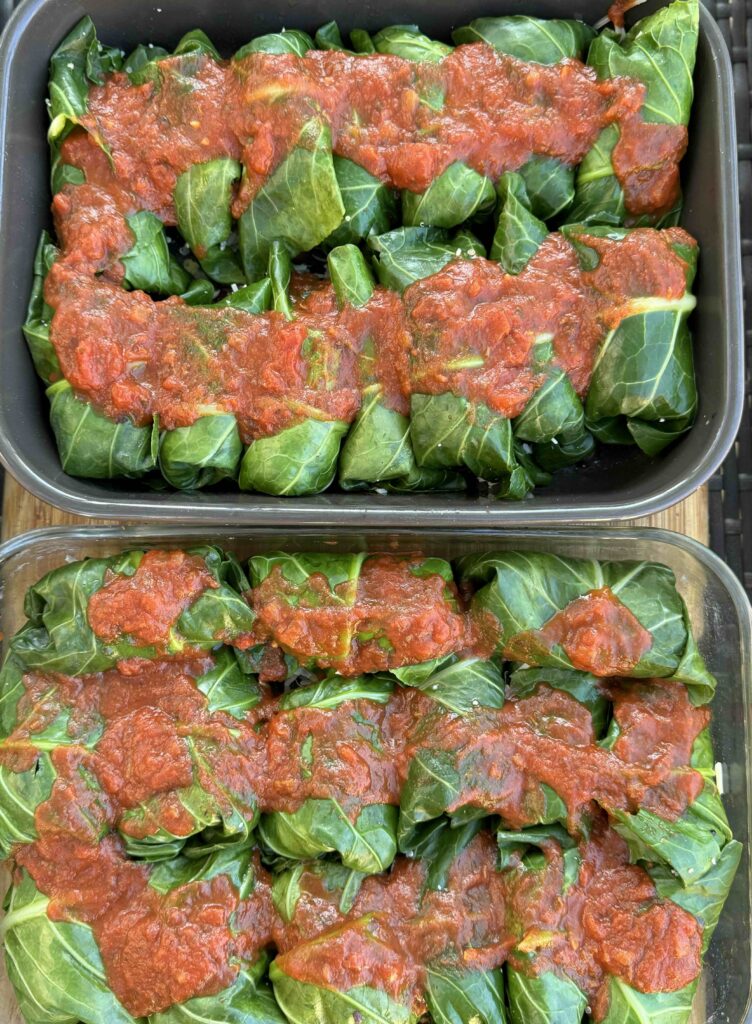
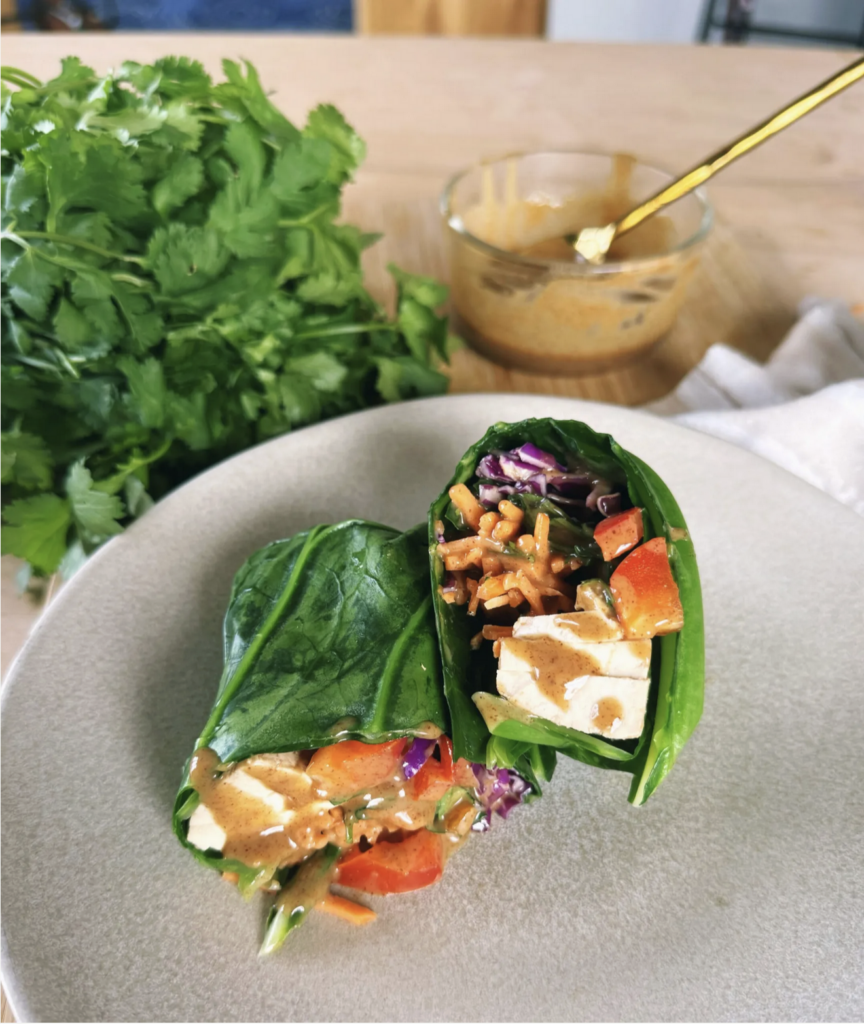
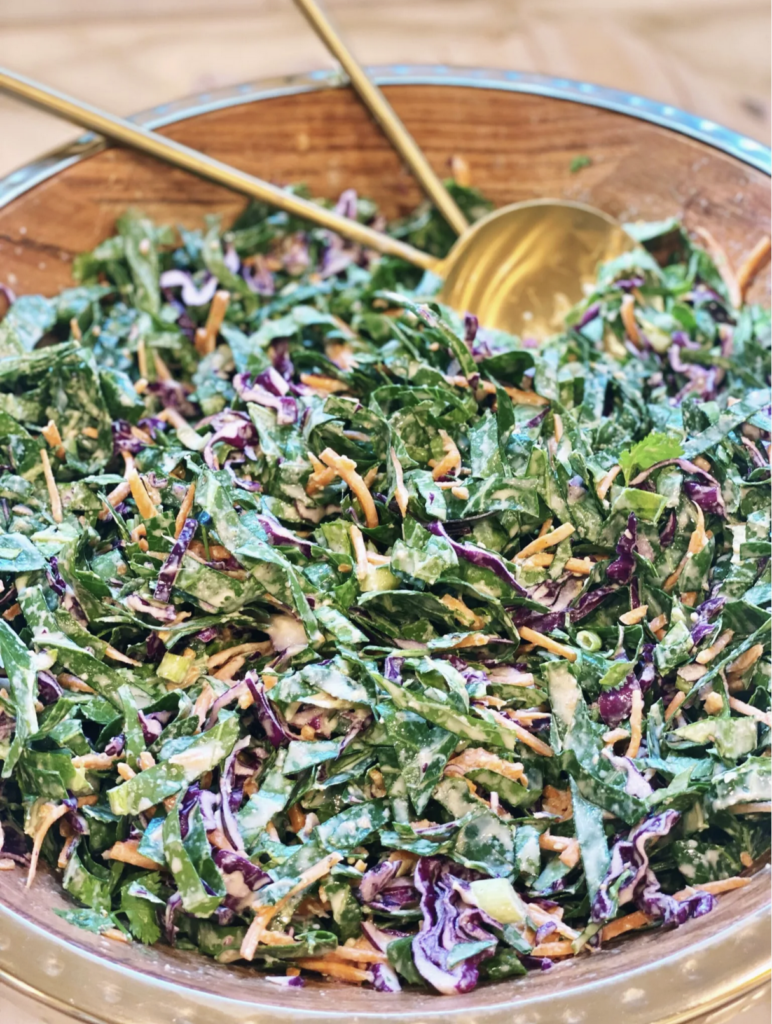
Collard greens are one of my favorite mineral-rich, bone-nourishing foods. One cup of collards provides about 300 mg calcium- the same amount in a cup of milk!
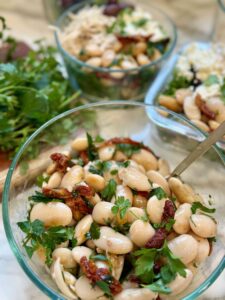
Collard Wraps with Black Beans, Olives, and ParmCollard Wraps with Almond Butter DressingSuper Slaw
Protein: In addition to minerals, protein is also crucial for reducing osteoporosis risk and managing bone health as it helps build bone matrix, increases calcium absorption, and strengthens muscles to prevent falls. Recent systematic reviews and meta-analyses by the National Osteoporosis Foundation (NOF) reveals that higher protein intakes have a significant beneficial impact on bone density and risk of fracture at the lumbar spine, regardless of the protein source (i.e., animal vs. plant). Aim for 80 grams per day.
3. Exercise: Muscle strengthening and balance exercises reduces the risk of falls and injuries by 75%.
Gentle resistance or weight bearing exercises put a short-term stress on the bones that is necessary in stimulating our bone repair cells (osteoblasts). When unopposed by bone reforming cells, the bone degrading cells (osteoclasts) predominate and bone density will decline over time. Gentle body weight exercises or resistance training can help combat this and should be done 2-3 times weekly at a minimum for bone support!
Consider getting a weighted vest, such as Apexup. This is an effective way to add resistance. Several clinical studies have shown that regular use of the weighted vest helps to build bone density by adding extra weight and a greater impact on bones when walking. This is especially important for thin women.
Jumping: Women who jump for 10 minutes a day 3x per week can go from being osteopenic to normal bone mineral density in just 12 weeks. Jumping in place or jumping rope are good options.
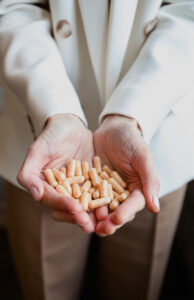
4. Targeted Supplements: Includes calcium, vitamin D3, K2, boron, magnesium, and strontium. Talk with your doctor to determine the best supplements for you. In my Osteoporosis Guidebook, I highlight my favorite bone-building supplements.
5. Menopause Hormone Therapy: Estrogen helps maintain bone density and prevent fractures. A drop in estrogen levels at menopause further reduces calcium absorption. The 2022 guidelines from the Menopause Society confirms that Menopausal Hormone Therapy is effective for preventing bone loss and reducing fractures in postmenopausal women, especially for those under 60 or within 10 years of menopause onset. It is considered a, if not the, primary treatment for preventing osteoporosis, particularly in menopausal women with symptoms. We are happy to consult with you to discuss if this is a good fit for you.
For more nourishing recipes, nutrition tips, and lifestyle inspiration, check out my Osteoporosis Guidebook.
Use discount code LAKESIDE20 at checkout for 20% off.