Tracking Transit Time
October 15, 2020
Intestinal transit is the time it takes food to pass through the entire digestive tract. An optimal transit time is…
We went from “HRT causes cancer” → “HRT will do your dishes & pay your taxes”
It’s true: HRT is a powerful medical tool and is now deemed safe for most women after the FDA removed its black box cancer warning in 2025.
It’s also true: It’s not a magic bullet. It’s one part of a strategy.
Your body is changing. Your plan should too.
“How can I safely take hormones?” I hear this every single day. And I get it, because for years we were told to be scared of them.
There are newer preparations out there that are safer and are going to help you feel better. Think less hot flashes, better sleep, less brain fog, and less joint pain.
So hormones help you feel better in the short-term, but we also need to start thinking of them as protecting your physiology long-term. It’s not just about treating symptomatology. It’s about protecting your heart, your bones, and your brain.
HRT can be highly protective. It can reduce the risk of heart disease, osteoporosis, and Alzheimer’s. In fact, research shows if you introduce estrogen within 1 to 3 years of the menopausal transition, you reduce the risk of Alzheimer’s by 32%.
But the how matters. The delivery system changes the safety profile. Let’s break it down.
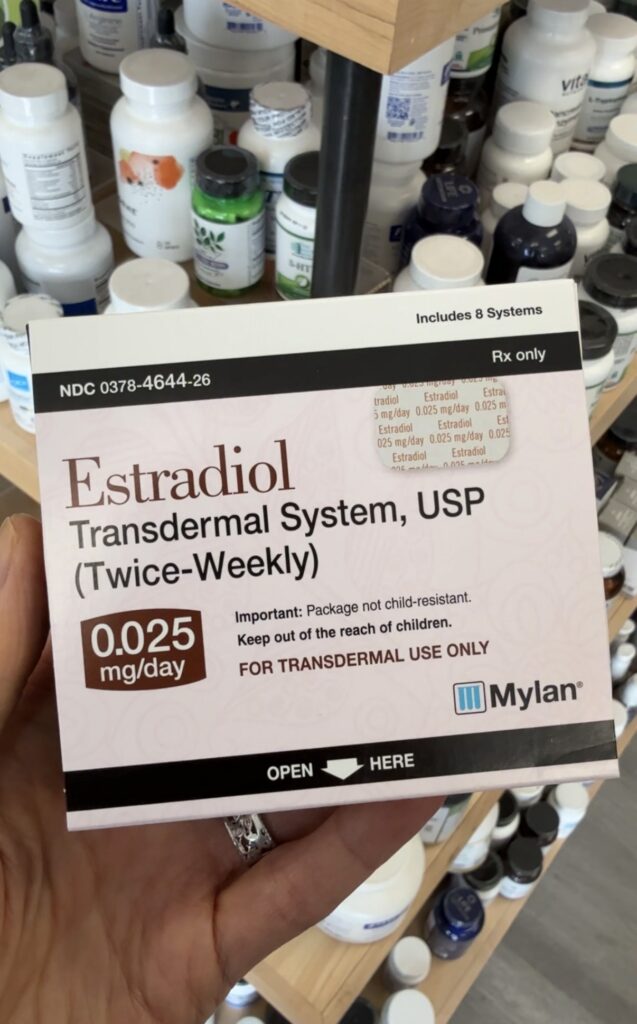
Transdermal means through the skin. So topically in the form of a patch or a cream. Here’s why you want a delivery method that bypasses the GI tract.
When you take estradiol by pill or tablet, it has to go through the liver first. The liver metabolizes estradiol into estrone, which is the less critical and less helpful form of estrogen. Estrone is also less potent. That means you must prescribe a much higher dose to mimic the estradiol your ovaries used to produce.
And as the liver metabolizes oral estradiol, it releases proteins that can provoke abnormal clotting, increasing the risk of stroke. Oral estrogen also increases CRP, a marker of inflammation.
Back in 2013, the American College of Obstetricians and Gynecologists came out with a consensus statement recommending the use of non-oral delivery systems for estrogen. This was especially for women at higher risk for developing blood clots, such as women with high blood pressure and smokers.
The safety difference:
| Delivery method | Key considerations |
|---|---|
| Transdermal (patch or cream) | Bypasses the liver. Lower risk of cardiovascular events like blood clots and stroke. Does not increase inflammation markers the same way. |
| Oral (pill or tablet) | Must go through the liver first. 2 fold increase of developing blood clots compared to transdermal. Increases CRP and inflammation. Requires higher doses. |
This is especially important if you have a uterus and take estrogen: it’s important to also take progesterone in conjunction with estrogen to protect the uterine lining.
Progesterone does more than uterine protection — it’s calming and can help with anxiety, mood, and sleep. I find oral micronized progesterone works better than transdermal for sleep because oral forms create metabolites that cross the blood-brain barrier. Transdermal options aren’t considered sufficient for uterine protection.
When possible, I prefer oral micronized progesterone over synthetic progestins. Combined estrogen + synthetic progestin therapy has been linked to elevated breast cancer risk in large studies, while oral micronized progesterone appears to have a more favorable profile
While hormones can be incredibly helpful, they’re not the only option. Not everyone is interested in doing menopause hormone therapy (or hormone replacement therapy), and that’s ok. There are herbs, supplements, and lifestyle strategies that can be highly effective too.
If you’re considering menopause hormone therapy, talk with a clinician who is trained in menopause care. They can review your personal health history, risk factors, and help you decide if hormones are right for you and which form makes the most sense.
You deserve to feel good and to protect your long term health. And you have safer options now than women did 20 years ago!
It’s true: As estrogen declines, lean mass drops, visceral fat rises, and insulin resistance risk goes up. Estrogen therapy can reduce inflammation, improve lipids, and enhance insulin sensitivity. But it won’t magically melt belly fat.
It’s also true: Lifting weights, 25-30g protein/meal, 10g fiber/meal, and post-meal walks also directly counter these metabolic changes.
Focus on PROTEIN and FIBER with every meal.
PROTEIN
Increased protein intake is the best way to stimulate muscle protein synthesis and thus boost metabolism.
Consuming enough protein (and lifting weights!) will also help you maintain a healthy blood pressure, healthy weight, and can reduce menopausal symptoms like hot flashes, fatigue, mood swings, and brain fog, because the amino acids found in protein-rich foods are critical for the production of hormones and neurotransmitters.
How much protein do you need? Aim for 80+ grams/day (or 20-30 grams per meal)
FIBER
Why is fiber so important:
How much fiber do we need? Aim for 30 grams per day (or 10 grams per meal). Here is an example of what I ate in a day to get 48 grams of fiber!
Good sources of fiber:
● 2 TBSP basil seeds (15g) (Use discount code LAKESIDE for 15% off)
● 2 TBSP chia seeds (10g)
● 8 flackers (9g)
● 1 cup raspberries (8g)
● 1/2 cup lentils (8g)
● 1/3 cup oat bran (7g)
● 1 cup green peas (7g)
● 1/2 cup black beans (6g)
● 1/2 cup cannellini beans (6g)
● 1 pear (6g)
● 1 sweet potato (5g)
● 1/2 avocado (5g)
● 2 kiwi (5g)
● 1 cup quinoa, cooked (5g)
● 1 apple (4g)
● 2 TBSP ground flaxseeds (4g)
● 1 cup cauliflower or broccoli (3g)
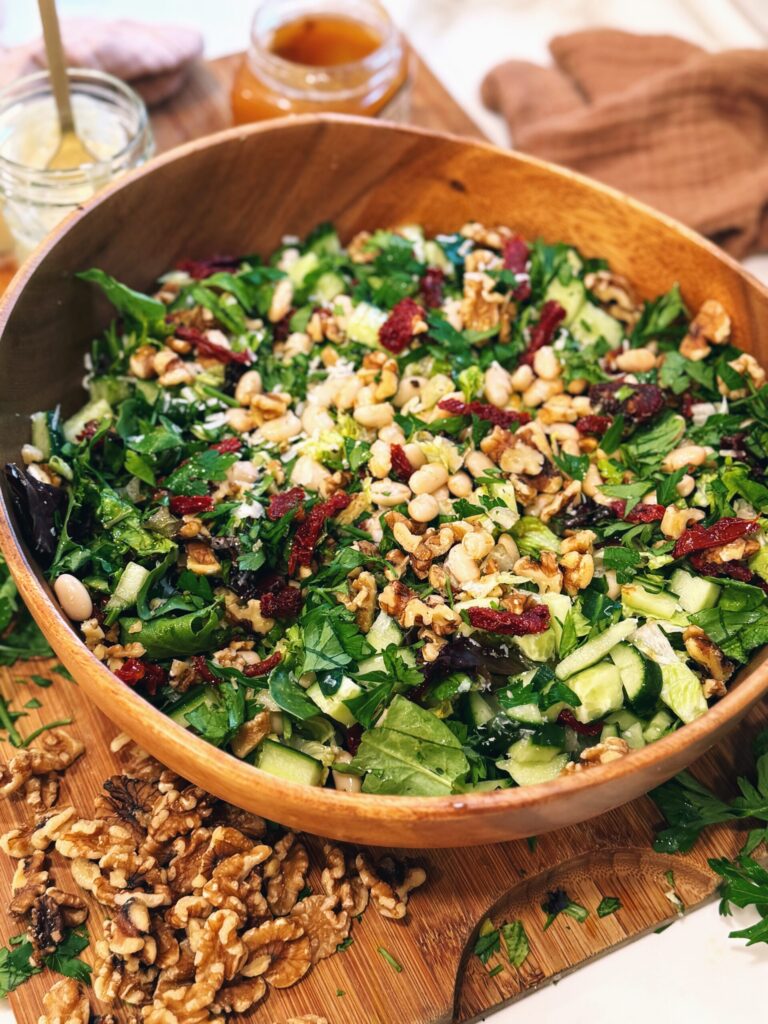
Here are some high-fiber recipes incorporating these foods.
Important Nutrition Label-Reading Hack:
Learn to BALANCE carbs instead of cutting them out
Here’s the secret to eating carbs. Choose ones with FIBER! “Nature’s carbs” have fiber intact- sweet potatoes, beans, buckwheat, quinoa, wild rice, squash. The fiber in “nature’s carbs” helps to prevent a spike of glucose and slow the release of insulin.
When it comes to a processed carb, like bread or pasta, the ratio of carb-to-fiber is important. For every 10 grams of carbs, aim for at least 1 gram of fiber (this is a 10:1 ratio). A 5:1 ratio of carbs to fiber is even better.
Bread example:

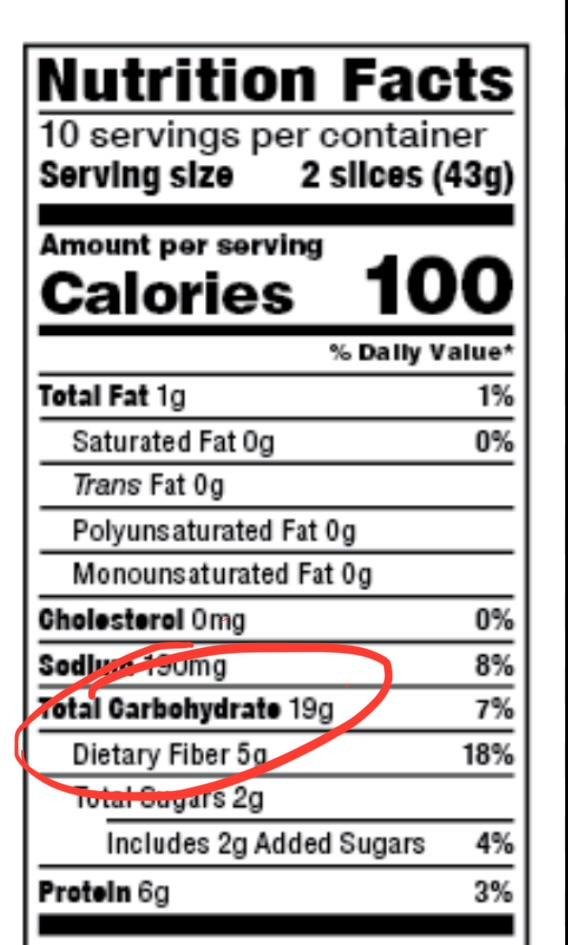
Silver Hills Little Big Sprouted Grain Bread- has a 4:1 carb:fiber ratio (19 grams of carbs/5 grams of fiber). This is excellent!

Ezekiel sprouted grain bread is also good as it has a 5:1 carb-to-fiber ratio.
It’s true: Hormones protect your brain health. Midlife estrogen use is linked to a 32% reduction in Alzheimer’s/dementia risk in some studies.
It’s also true: Mediterranean diet, exercise, social connection, and fish oil (DHA) all protect your brain too.
*Fish oil is especially important if you carry the ApoE4 gene. Here is my guide to choosing a quality fish oil.

When estrogen drops, bone breakdown outpaces building. Bone loss accelerates the most in perimenopause. Estrogen therapy is the most direct way to counteract bone loss.
It’s also true: Impact + resistance training; a protein-rich, mineral-rich diet; and Calcium plus D3/K2/Mg all build bone too.
It’s true: Estrogen + progesterone regulate deep sleep, and menopause disrupts that. HRT (especially progesterone) can restore sleep architecture for many women.
It’s also true: Cortisol is one of the most under-recognized disruptors of sleep in perimenopause.
To support cortisol + sleep:

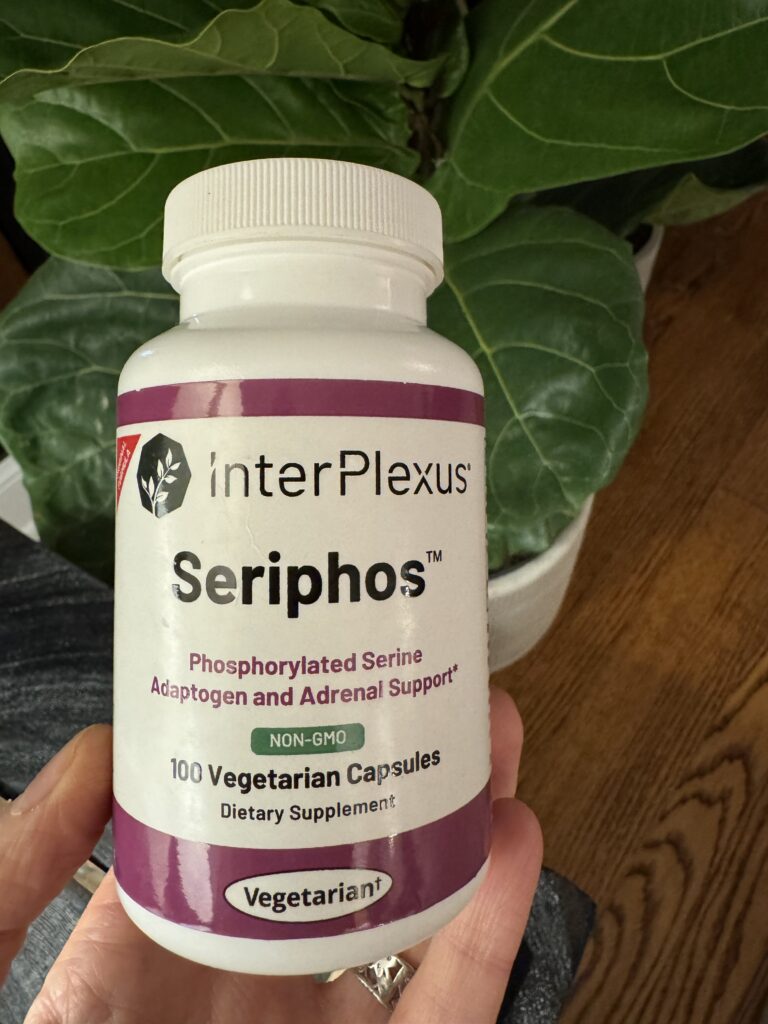
This content is for educational purposes only and is not medical advice. Always talk with your doctor or qualified healthcare provider before starting any new hormone, supplement, or treatment.

Knowledge is power, but ACTION in the kitchen is what counts. For more inspo on how to incorporate more fiber and polyphenols in your diet, check out my Plant Power Guidebook & Recipe Book. This includes over 50 recipes and a 36-page guidebook!
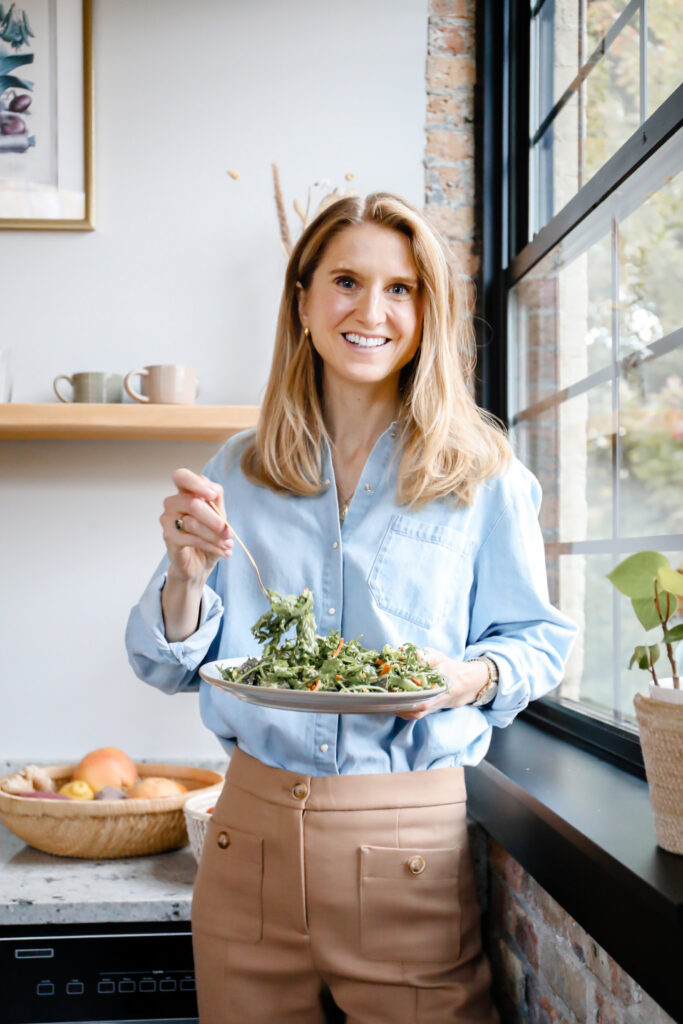
In Plant Power, learn about foods that support:

Dr. Carrera’s passion for integrative and functional medicine allows her to combine the best of conventional medicine with lifestyle-focused strategies that support lasting wellness. She can provide you with the knowledge, tools, and support you need to take an active role in your well-being!