Tracking Transit Time
October 15, 2020
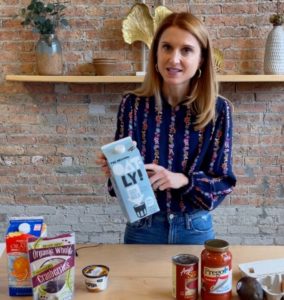
Intestinal transit is the time it takes food to pass through the entire digestive tract. An optimal transit time is…

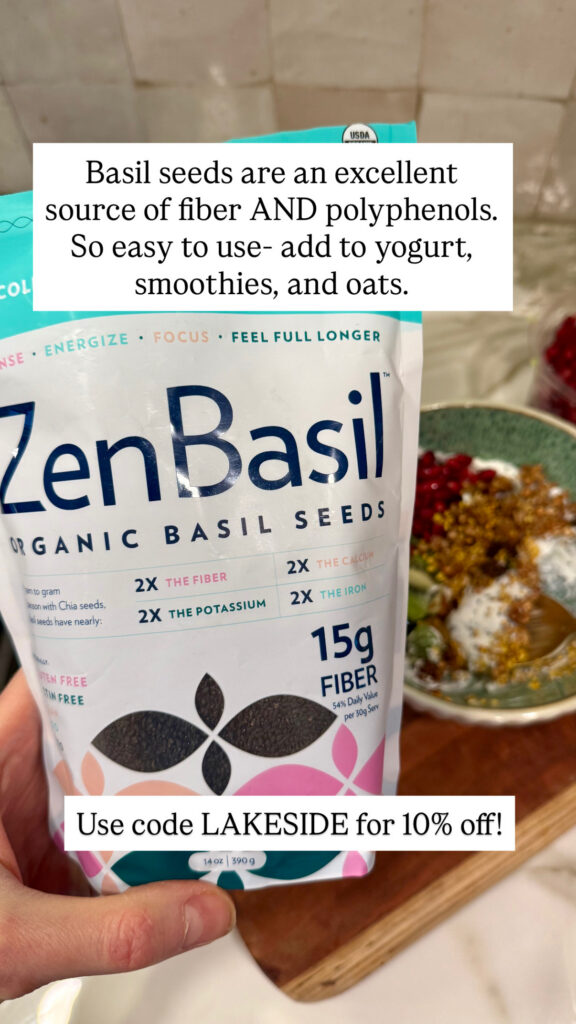
Fiber is having a moment… but here’s what no one is telling you: polyphenols are the missing piece that turn fiber into short-chain fatty acids — your fat-burning signal.
So much more than it just keeping us regular. When you eat fiber AND polyphenols (color!), you are feeding a starving microbiome and the result is this miraculous production of short-chain fatty acids (SCFAs), such as butyrate. These are called postbiotics — byproducts of bacterial fermentation in the gut.
SCFAs:
-shift the body from fat storage to fat burning. In fact, women who eat more fiber have less visceral fat
– decrease glucose and insulin (insulin is a main driver of fat storage)
– triggers the release of key hormones like GLP-1 and GIP, which help regulate appetite and satiety.
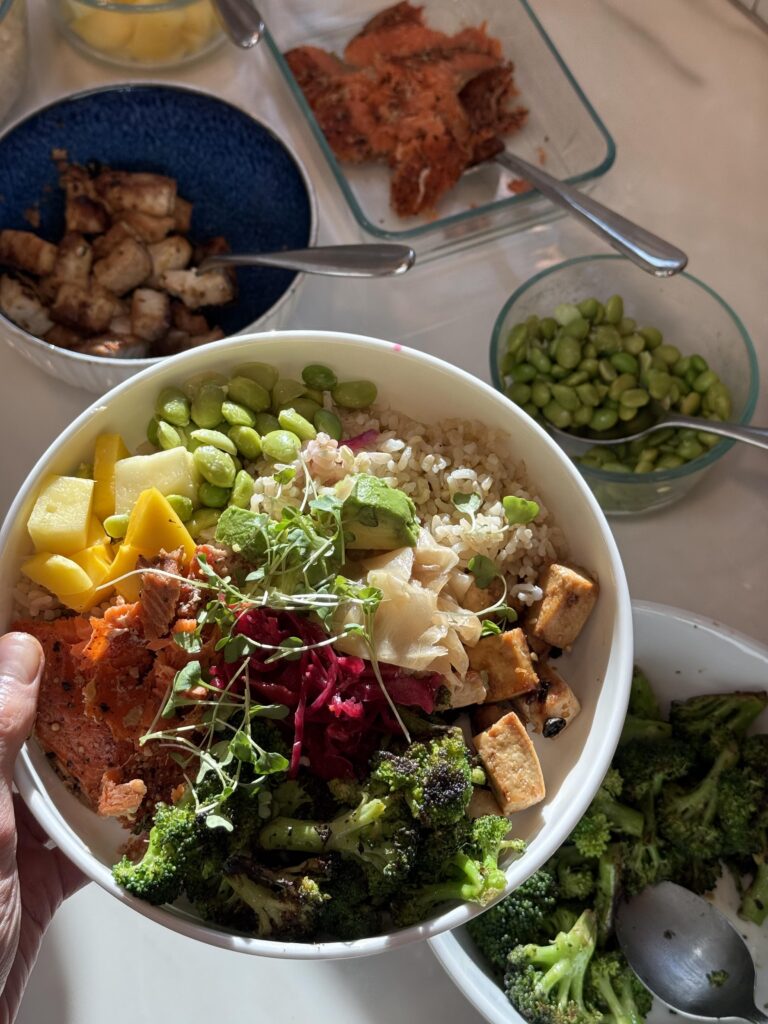
No. The key to gaining access to the beneficial SCFAs is to not only eat fiber but to eat it in the form of COLORFUL plants, which are also rich in polyphenols. Fiber + polyphenols work synergistically together. Fiber is the food, polyphenols are the match that lights the fire.
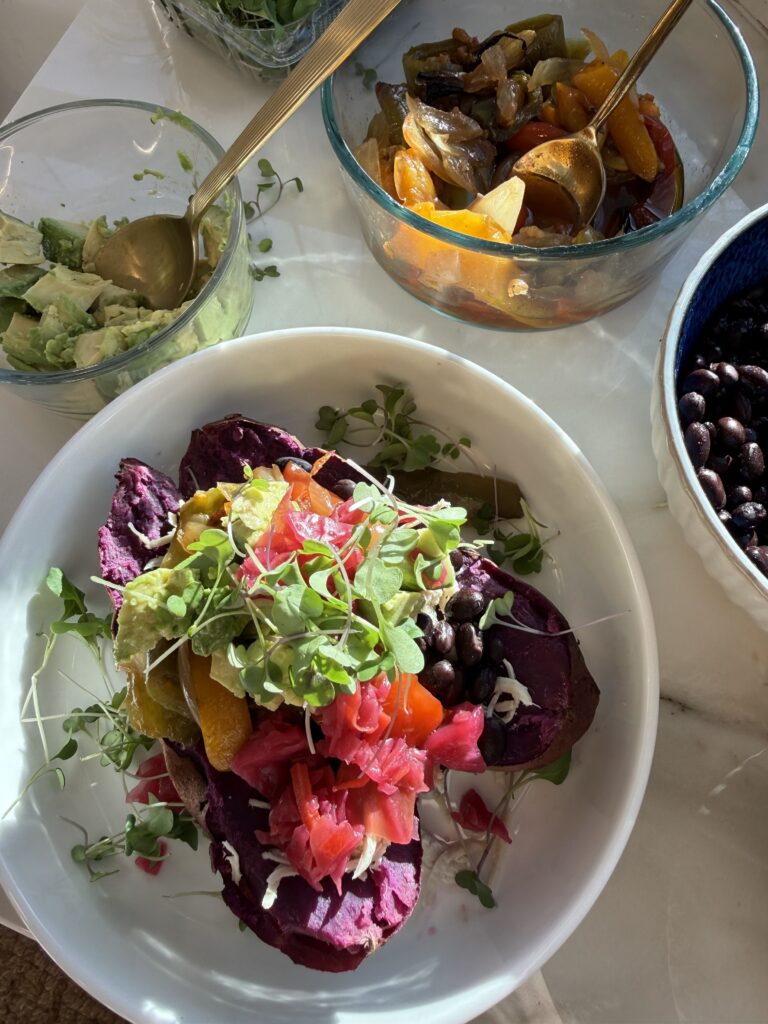
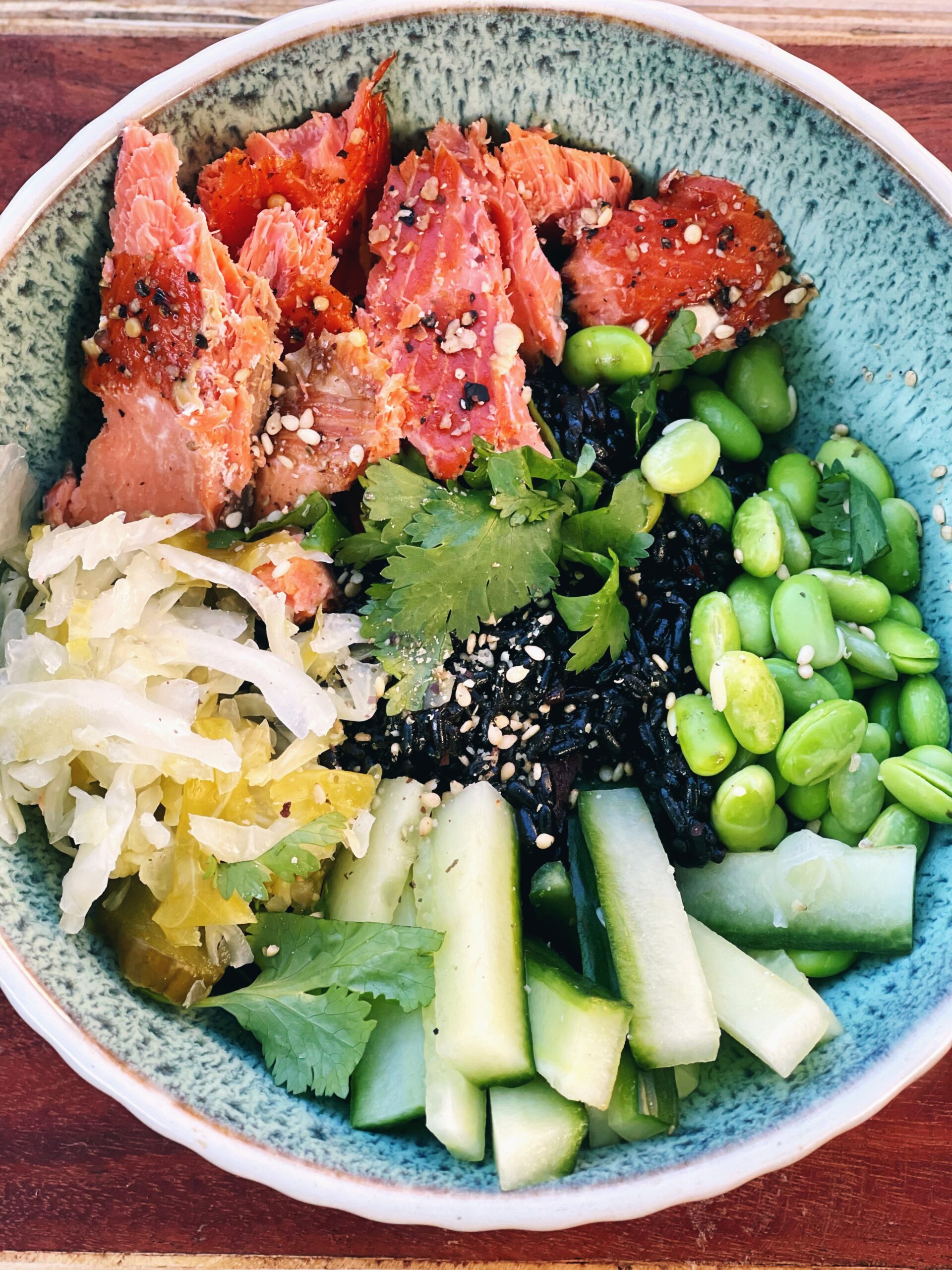
For fiber, aim for 30 grams/day (or 10 grams per meal). For polyphenols, there isn’t an official “goal” yet. But here’s my rule: the more color on your plate, the better. Dark berries, cacao, matcha, red cabbage, beets, ruby red kiwis, olive oil, turmeric, purple sweet potatoes — those are polyphenol powerhouses. If it stains your shirt or your fingers, eat more of it!
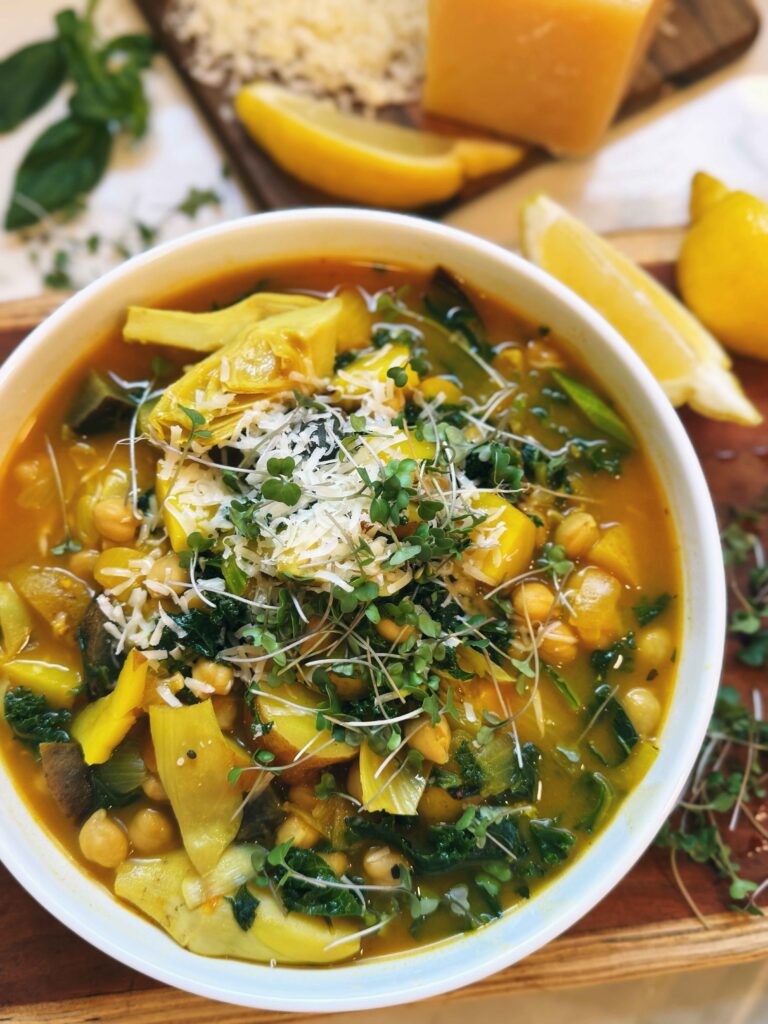
(click on the picture below for the recipe)
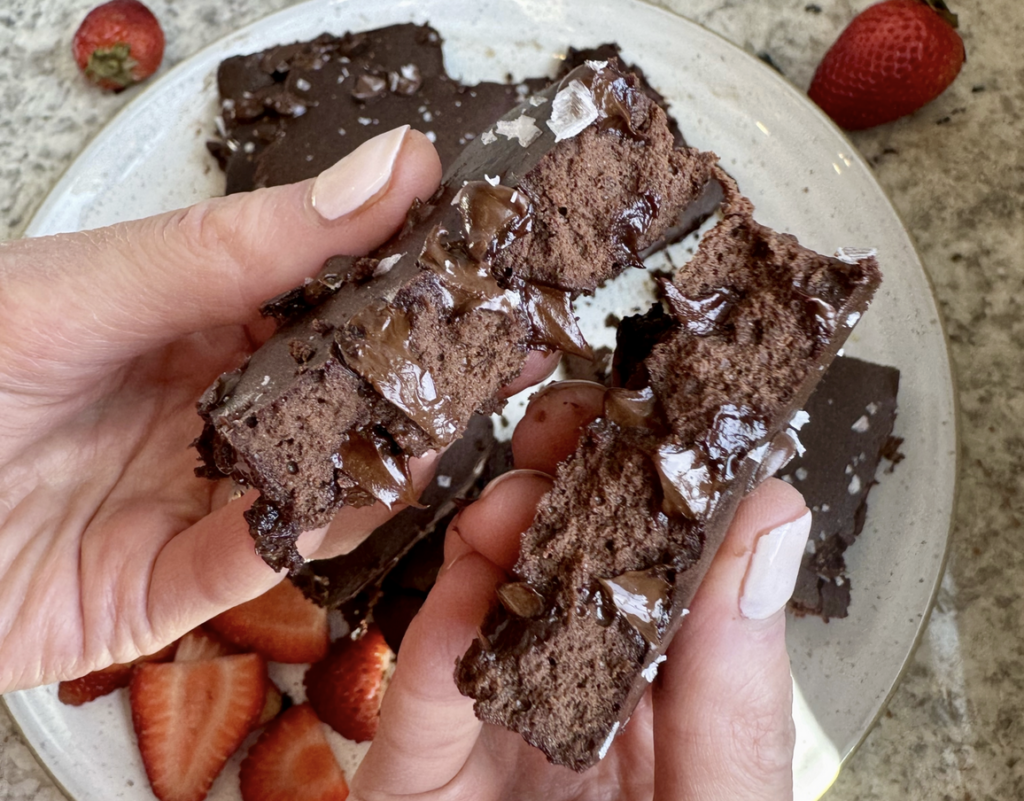
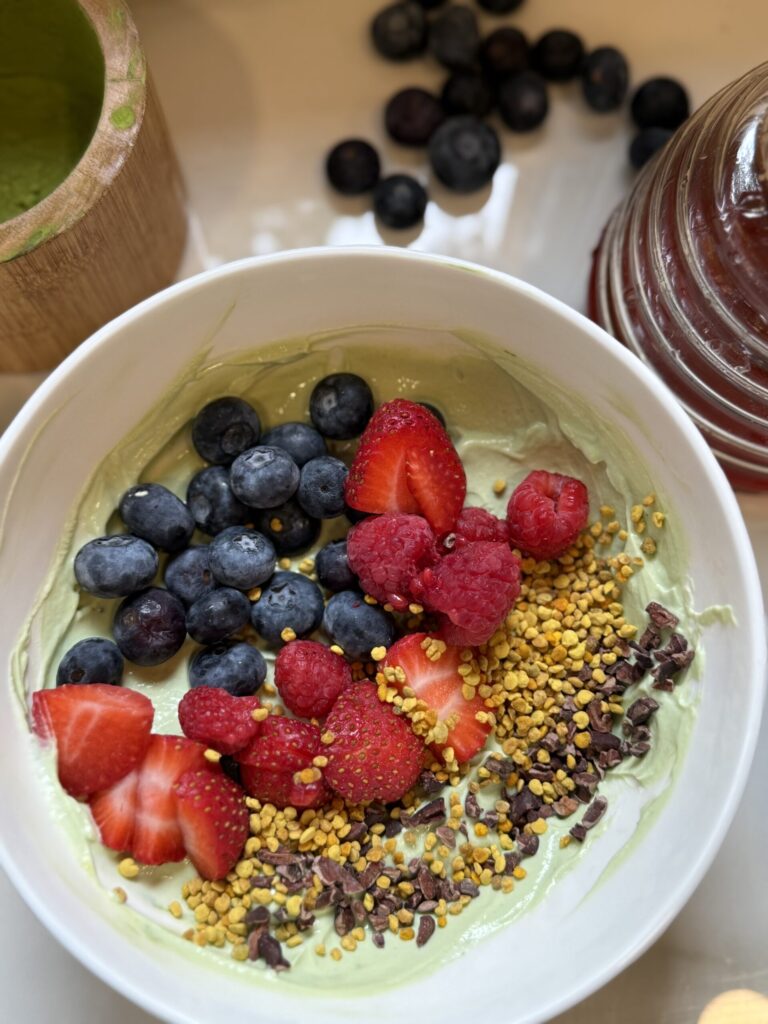
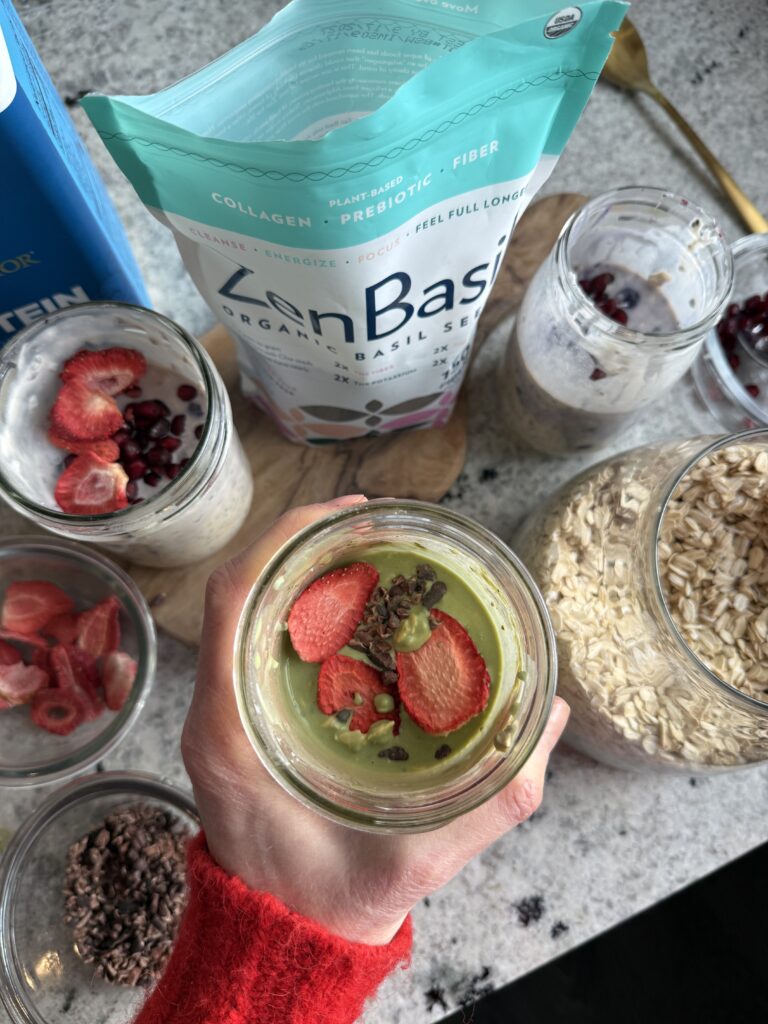
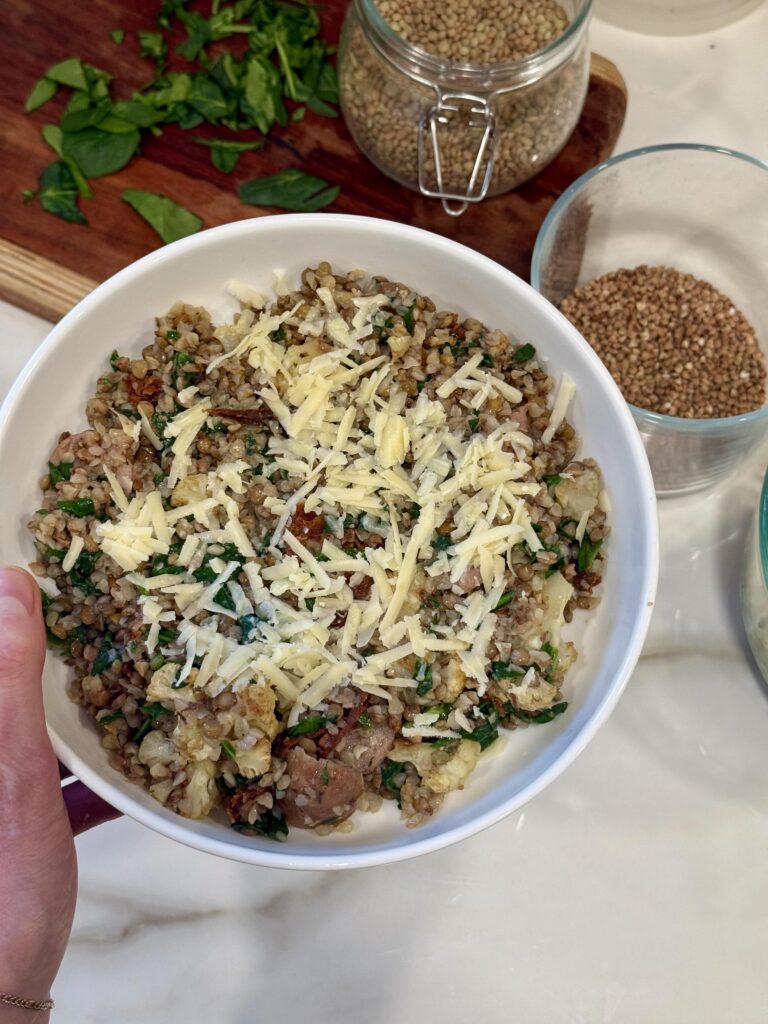

Knowledge is power, but ACTION in the kitchen is what counts. For more inspo on how to incorporate more fiber and polyphenols in your diet, check out my Plant Power Guidebook & Recipe Book. This includes over 50 recipes and a 36-page guidebook!

In Plant Power, learn about foods that support:
Sources:
Meiners F, Ortega-Matienzo A, Fuellen G, Barrantes I. Gut microbiome-mediated health effects of fiber and polyphenol-rich dietary interventions. Front Nutr. 2025 Aug 29;12:1647740. doi: 10.3389/fnut.2025.1647740. PMID: 40948860; PMCID: PMC12425962. https://pmc.ncbi.nlm.nih.gov/articles/PMC12425962/
Vinelli V, Biscotti P, Martini D, Del Bo’ C, Marino M, Meroño T, Nikoloudaki O, Calabrese FM, Turroni S, Taverniti V, Unión Caballero A, Andrés-Lacueva C, Porrini M, Gobbetti M, De Angelis M, Brigidi P, Pinart M, Nimptsch K, Guglielmetti S, Riso P. Effects of Dietary Fibers on Short-Chain Fatty Acids and Gut Microbiota Composition in Healthy Adults: A Systematic Review. Nutrients. 2022 Jun 21;14(13):2559. doi: 10.3390/nu14132559. PMID: 35807739; PMCID: PMC9268559. https://pmc.ncbi.nlm.nih.gov/articles/PMC9268559/
Hernández MAG, Canfora EE, Jocken JWE, Blaak EE. The Short-Chain Fatty Acid Acetate in Body Weight Control and Insulin Sensitivity. Nutrients. 2019 Aug 18;11(8):1943. doi: 10.3390/nu11081943. PMID: 31426593; PMCID: PMC6723943. https://pmc.ncbi.nlm.nih.gov/articles/PMC6723943/
Pérez-Jiménez J, Neveu V, Vos F, Scalbert A. Identification of the 100 richest dietary sources of polyphenols: an application of the Phenol-Explorer database. Eur J Clin Nutr. 2010 Nov;64 Suppl 3:S112-20. doi: 10.1038/ejcn.2010.221. PMID: 21045839. https://pubmed.ncbi.nlm.nih.gov/21045839/Pandey KB, Rizvi SI. Plant polyphenols as dietary antioxidants in human health and disease. Oxid Med Cell Longev. 2009 Nov-Dec;2(5):270-8. doi: 10.4161/oxim.2.5.9498. PMID: 20716914; PMCID: PMC2835915. https://www.ncbi.nlm.nih.gov/pmc/articles/PMC2835915/