Nootropic Effects of Lion’s Mane: The Smart Mushroom
March 8, 2023
Lion’s mane, Hericium erinaceus, is a recognized edible and medicinal mushroom that has been used for thousands of years and…

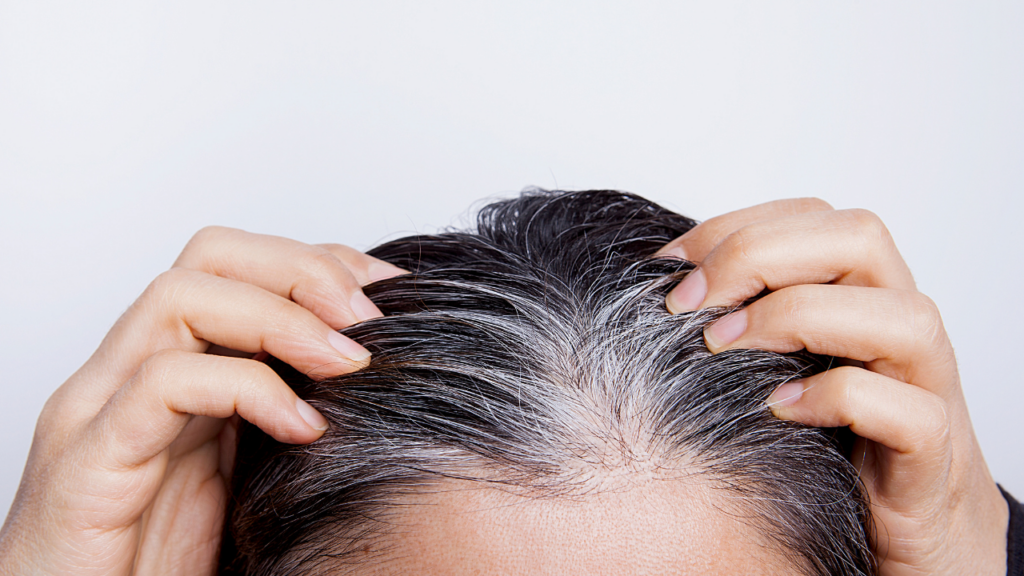
Isn’t it as if everyone you know has been discussing thinning hair recently? Hair loss can result from many factors, including nutrition, thyroid function, iron levels, hormonal changes, illness, stress, medications, genetics, scalp conditions, and more!
Despite the many possible causes, not everyone with thinning hair has a deficiency or health issue. Hair naturally changes with age, and genetics play a major role in many types of hair loss. However, when shedding or thinning seems new or more noticeable, it can be worth looking at what else may be contributing.

I think this is a pretty common analogy, but everyone hears something for the first time at some point, so I’m sharing it here. Imagine the body as a tree, with hair and nails as the leaves. When a tree doesn’t get enough nutrients, the leaves are often the first to suffer. So, in this analogy, if we’re not getting the right nutrition, our hair and nails just aren’t a priority. Here are some possible nutritional deficiencies that might contribute.
Iron Deficiency: Iron is an essential mineral. Iron deficiency, with or without anemia, can contribute to diffuse hair shedding. This is particularly important to consider in women with heavy menstrual periods, restrictive diets, or other risk factors for iron deficiency.
Ensuring adequate iron intake through sources like red meat, seafood, and leafy greens can help maintain healthy hair and nails. You can see Dr. Sarah’s post about how to increase iron intake through the diet here.
Zinc Deficiency: Zinc is another mineral that is particularly important for the health of hair and nails. Foods rich in zinc include meat, shellfish, legumes, seeds, nuts, dairy products, and whole grains.
B-vitamin Deficiency: Several B vitamins are involved in cellular metabolism and healthy tissue growth. Deficiencies in certain B vitamins, particularly B12 and folate, can contribute to hair changes, although they are not a common explanation for hair loss in otherwise healthy people. Biotin is often marketed as a hair-growth supplement, but true biotin deficiency is rare. Foods that are rich in B vitamins include whole grains, eggs, dairy products, meat, and leafy greens.
Inadequate Protein Intake: Proteins are the building blocks of the body, and they are essential for the growth and repair of tissues, including hair and nails. If your diet is lacking in protein, it can lead to hair loss. Sources of high-quality protein include lean meats, fish, eggs, dairy, legumes, and nuts.
Thyroid: Thyroid hormones play an important role in regulating the hair-growth cycle, so both hypothyroidism (underactive thyroid) and hyperthyroidism (overactive thyroid) can contribute to diffuse hair thinning and increased shedding. When thyroid function is out of balance, follicles can prematurely shift into their resting phase, leading to increased shedding. Thyroid-related hair loss is generally reversible once the underlying thyroid condition is appropriately treated.
Androgens: Androgens are a group of hormones that include testosterone, dihydrotestosterone (DHT), and other related hormones. Androgen-related hair loss, commonly known as pattern hair loss, can occur in both men and women. DHT is most commonly linked to hair loss. Elevated androgen levels are not necessary for pattern hair loss, although conditions such as PCOS can cause both increased androgen levels and hair changes.
Drastic Hormonal Changes (postpartum, menopause, menstrual irregularities): Large hormonal shifts can impact the hair growth cycle and contribute to shedding or thinning. After childbirth, a rapid change in hormones can trigger temporary increased shedding known as postpartum telogen effluvium. During and after menopause, changes in hormones can also contribute to hair thinning, especially around the crown and part line. Irregular menstrual cycles may also signal underlying hormonal changes that can affect hair growth and should be considered alongside other symptoms.
Acute viral illness: Significant illness, particularly one accompanied by fever, can temporarily disrupt the hair-growth cycle and trigger telogen effluvium, a form of diffuse hair shedding. This shedding often starts 2-4 months after the illness. It can occur following infections such as influenza, COVID-19, or other significant febrile illnesses. But don’t worry! It is usually temporary once the underlying trigger has resolved.
Stress (physical or emotional): Other significant physical or emotional stressors, like undergoing surgery, childbirth, substantial weight loss, or major emotional stress, can also trigger telogen effluvium.

Hair follicles require adequate energy to support normal growth. Significant calorie restriction, rapid weight loss, poor protein intake, or nutrient deficiencies can disrupt the hair growth cycle, leading to increased shedding several weeks to months later. While this type of hair loss is generally reversible once adequate nutrition is restored, hair growth may take 6-9 months to fully normalize, so shedding may continue for some time even after the underlying nutritional issue has been addressed.
Some restrictive dietary patterns may carry a higher risk of deficiencies, but most diets can be nutritionally adequate when it is thoughtfully planned. For example, vegan diets can provide everything the body needs when properly balanced, but certain nutrients, such as protein, iron, zinc, vitamin B12, and selenium, may require extra supplementation.
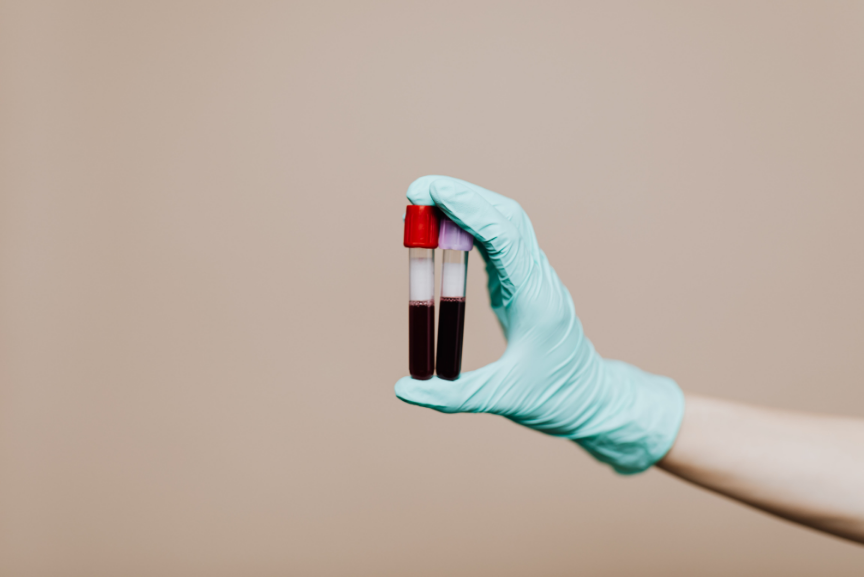
Additional testing may be warranted based on your symptoms, diet, medical history, and pattern of hair loss. For example, iron studies or B12 may be worth considering if there are risk factors for deficiency, while hormone testing may be appropriate if there are signs such as irregular periods, acne, or increased facial/body hair.
A naturopathic doctor might ask you the following if you seek help for hair loss:

Your hair can be an important clue about what’s happening beneath the surface. If you’ve noticed changes in your hair or increased shedding, I can help you explore potential contributing factors and determine what to look at next.